
In 2012, Hurricane Sandy forced the Port of New York and New Jersey to a standstill. Warehouses were flooded, cranes sat idle, and billions of dollars in trade evaporated in a matter of days.
More recently, Miami’s port has been battling sunny-day flooding, where seawater bubbles up even without storms.
And due to this, the ports are sitting ducks. They’re built at sea level by design, they depend on long stretches of shoreline, and they carry the weight of entire economies.
That’s why coastal protection is not just an afterthought anymore today, but it has become central to keeping ships moving, people employed, and local communities safe.
In this blog, we discuss over half a dozen coastal protection strategies that are being tried, tested, and rethought at ports across the world, while understanding why marine infrastructure and port communities need better coastal protection today.
Why Port Communities Need Stronger Coastal Protection
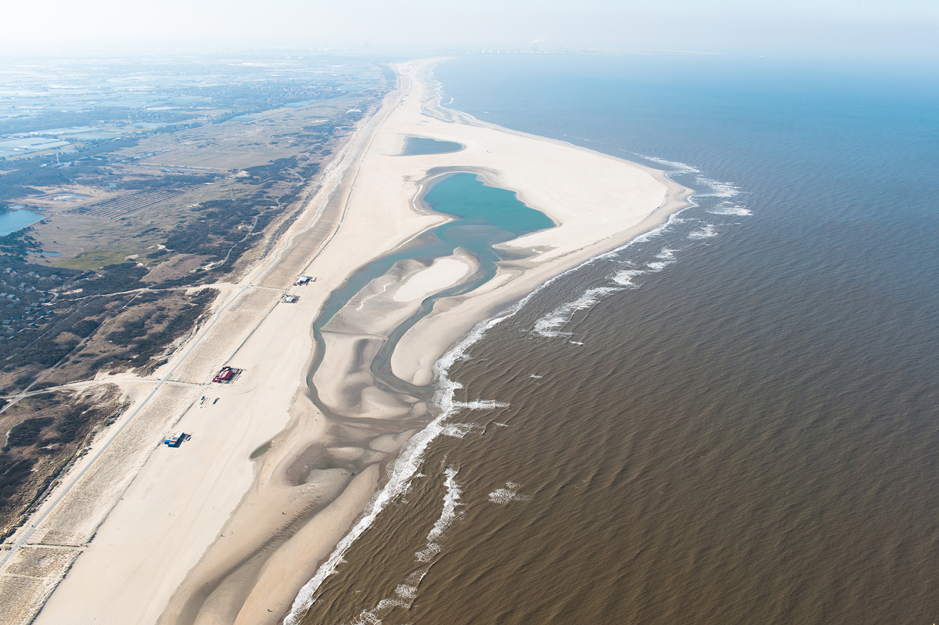
The first very basic aspect that we need to understand is that ports aren’t just infrastructure per se—they are entire ecosystems of trade, jobs, and neighborhoods packed tightly against the shoreline.
And that proximity is both a blessing and a curse. Here’s how.
- Exposure is constant. Storm surges don’t just wet the docks, but they can knock out power, flood access roads, and corrode cranes beyond repair.
- The economic stakes are brutal. A single day of closure at even a medium-sized international port can ripple across supply chains and cost tens of millions of dollars.
- Nature pushes back. Unchecked erosion, sediment buildup, and habitat loss make flooding worse.
- And then there’s money. Insurance premiums climb, regulators demand climate-proofing, and adaptation funding comes with strings attached.
In short, building authorities can’t afford to gamble with established port construction methods and techniques.
The fact is, water is rising everywhere due to climate change. And it’s not waiting for paperwork.
- Read our guide: The Latest Advances in Port & Marine Construction
So how do we protect coastal regions in such cases? Well, we have some ideas…
Coastal Protection Strategies for Ports & Harbors
If you are building a project near a coastal area, keep in mind these protection strategies for the best outcomes and long-term sustainability.
1. Hard Engineering Structures
Think seawalls in Miami, bulkheads in New York Harbor, or breakwaters off Chennai. All of these are the old faithful examples of coastal protection acting as a concrete and rock standing between the sea and billions in infrastructure.
Though they do their work, they aren’t perfect. They’re expensive, shift erosion elsewhere, and they age poorly. Yet for oil terminals or naval bases, nothing else provides that level of immediate, brute-force defense.
2. Nature-Based Solutions
Mangroves don’t look like much until you see them break the force of a cyclone. Wetlands, oyster reefs, and marshlands act like sponges and buffers in coastal areas.
In Odisha, mangrove belts helped villages and port towns take less damage during cyclones. Along the US Gulf Coast, oyster reef restoration is turning into a serious line of defense.
The best part about these nature-based solutions? They grow stronger over time instead of weaker.
3. Beach Nourishment & Dune Restoration

Have you ever thought that sand can be used as armor? Yes, you read that right. Miami Beach has been trucking in sand for years, not for tourists but as a shield for the built-up coast.
Additionally, dunes, reinforced with vegetation, act like natural levees, breaking waves before they reach port infrastructure.
However, these techniques are temporary, and nourishment has to be repeated, and storms can wipe out months of work in hours. Still, it’s cheaper than repairing flooded warehouses.
4. Dynamic Revetments & Hybrid Structures
There is no doubt that rigid walls eventually fail. That’s why newer designs mix rock, sand, and plants that shift and settle but don’t crack.
Moreover, hybrid systems use mangroves or reefs with concrete modules, dissipating wave energy while letting natural processes continue.
The Dutch, famous for their dikes, are now experimenting with eco-breakwaters that combine gray and green. Though it’s not one-size-fits-all, it’s a glimpse at how coastal protection strategies are evolving.
5. Elevation & Flood-Proofing of Critical Infrastructure
Sometimes the smartest way to get out of harm’s way is straight up. The Port of Miami has elevated roads and installed pumps to stay ahead of king tides.
In New Orleans, control rooms and substations are being raised above predicted surge levels. Here, elevation doesn’t stop water, but it keeps operations running when the water inevitably comes.
6. Managed Retreat & Setback Planning
Nobody likes this phrase “Retreat!” It sounds like failure. But in some situations – or places – it is the only viable option.
For example, North Carolina has long imposed coastal setback lines, and you simply can’t build too close to eroding shores. For secondary warehouses, parking lots, or non-essential facilities, moving inland often costs less than a decade of endless patchwork repairs.
Ports might resist, but retreat is creeping into planning discussions more than ever.
7. Sediment Management & Strategic Dredging
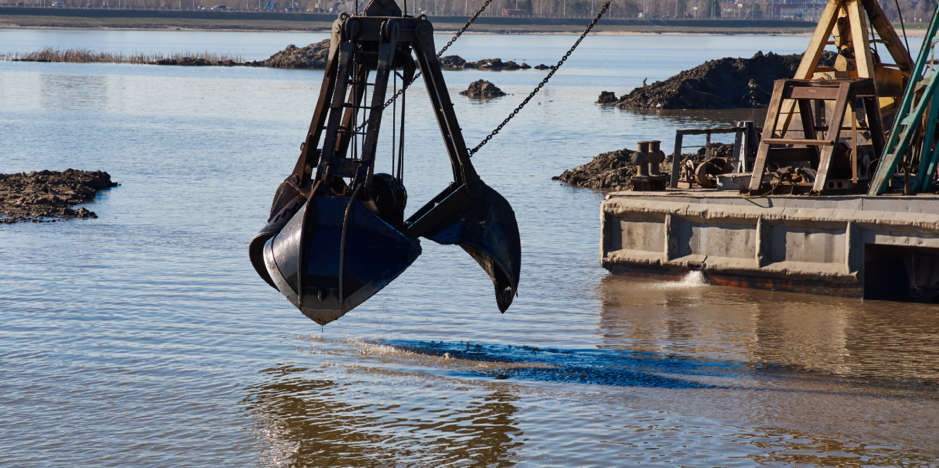
Ports dredge channels constantly, but what happens to the material? Too often it’s dumped offshore.
Smart sediment management turns dredge spoils into coastal defense and nourishes beaches, rebuilding wetlands or reinforcing dunes.
Los Angeles has piloted this approach, where they save disposal costs while shoring up vulnerable shorelines.
However, if done carelessly, dredging makes erosion worse. So it’s important to do it the right way to make it powerful and effective.
8. Living Shorelines & Green Infrastructure
Living shorelines mean that they will use grass, biodegradable compounds, and natural elements to stabilize coasts. Unlike concrete, they grow, adapt, and even filter water.
Today, in the Chesapeake Bay, projects combining coir logs with marsh grasses are holding ground against rising seas.
For ports, though they aren’t the whole solution, they make an excellent buffer zone between the ocean and critical infrastructure.
Real-World Examples of Successful Coastal Protection
Let’s take a quick look at how different cities and regions across the world have successfully implemented coastal protection infrastructure projects.
- Port of New York/New Jersey: Post-Sandy, billions have gone into flood walls, elevated substations, and storm-resilient upgrades. Without these, the region’s $200B trade hub would remain exposed.
- Port of Miami: Pumps, elevated roads, and hybrid defenses are keeping operations going, but costs continue to mount.
- Europe’s Eco-Breakwaters: Projects in the Netherlands and Spain show hybrid designs that reduce wave energy while restoring habitats.
All of these ports have adapted early to stay competitive. The ones that wait risk becoming case studies of failure in the near future.
Partner with MMCPL for Your Coastal Protection Projects
Without a doubt, ports are the economic engines of today’s international trade. And coastal protection is the insurance policy that keeps them alive.
Protection strategies may vary from seawalls to mangroves, from sediment reuse to managed retreat. However, the best solutions are usually blended, and tailored to local risks.
At MMCPL, we believe in combining engineering rigor with ecological intelligence. Our teams work with port authorities, city planners, and communities to design coastal protection strategies that don’t just hold back water but secure livelihoods.
Don’t wait for the next storm to write your playbook. Start planning, start adapting, and start building resilience now – click here to talk with us about it!
