
A few years back, a subdivision project outside Sacramento was supposed to break ground in 18 months. Instead, it took nearly four years.
In this situation, the culprit wasn’t bad financing or shoddy design; it was a tangle of CEQA reviews, neighborhood objections, and endless public hearings. Developers call it “death by delay.”
And yet, not every project ends that way. In Texas, a large-scale master-planned community sailed through approvals in less than half that time. Why? Because the team front-loaded due diligence, engaged regulators early, and worked with consultants who spoke the county’s language.
The thing is, the land development process in the US is predictable on paper, but in practice it’s a maze. To get through it, you need to know not just the steps, but also where projects usually stumble.
In this blog, we outline and explore the six main steps of the entire land development process so that you can plan your project in the most effective way!
The Land Development Process: Step By Step
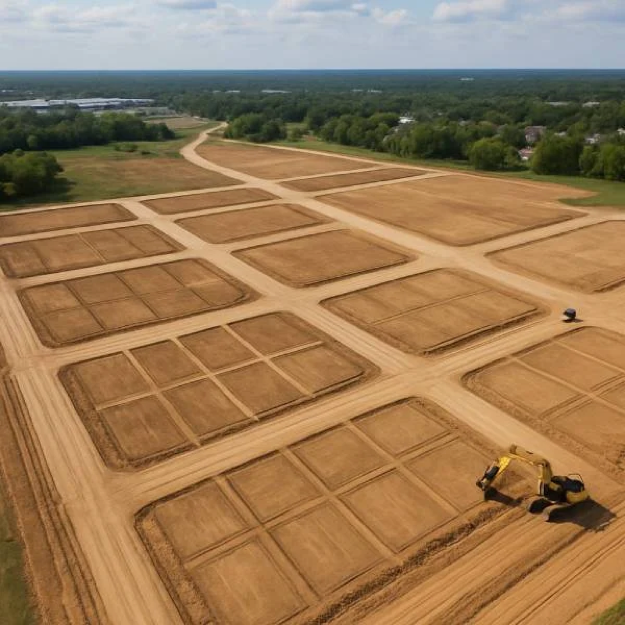
When you’re planning to build a land development project in the USA, here’s what the roadmap would look like:
Step 1: Site Acquisition & Initial Due Diligence
It all begins with dirt. Developers look for parcels with potential—close to utilities, roads, schools, and preferably already zoned for the intended use. Sounds simple? In practice, it rarely is.
And due diligence is where many projects die quietly. Moreover, title searches can lead to easements you didn’t know existed. Soil tests can reveal clay deposits that make drainage a nightmare. Environmental site assessments sometimes flag wetlands or contamination that take years to mitigate.
Smart teams don’t just check the boxes here. They run market feasibility studies, test demand projections, and ask hard questions about return on investment.
Remember, buying the wrong land is a mistake you can’t undo.
Step 2: Regulatory & Zoning Approvals
Once you have found a perfect site, you need to look into regulatory and zoning approvals!
Zoning dictates what can actually be built, and if your parcel doesn’t align, rezoning petitions or variances are the only way forward.
In theory, every county has a playbook. But when we take this into practicality, you will come across many more aspects like comprehensive plans, overlay districts, and local politics.
In California, CEQA reviews alone can stretch for years and one Riverside County subdivision waited nearly five years for environmental clearance just because of this. And in Washington’s King County, stormwater review alone can chew up nine months.
So what lessons can you learn from this? Know your jurisdiction. Some counties welcome development. Others bury you in red tape. It’s highly recommended to bring in local consultants who know the terrain very well.
Step 3: Planning, Design & Engineering
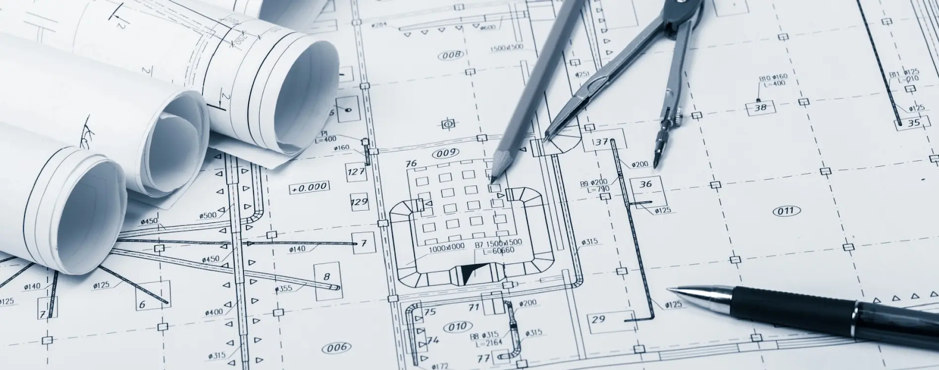
Once the land and zoning hurdles are cleared, the engineers take center stage. Roads, sewers, water systems, stormwater drains, utility lines, every inch of the project must be planned, drawn, and approved.
This stage is part art, part compliance. Civil engineers and architects collaborate on layouts that balance aesthetics, function, and local code requirements.
Grading plans get special scrutiny in hilly or flood-prone areas. And while you might imagine regulators only care about compliance, they’re increasingly asking about sustainability aspects like permeable pavements, green buffers, and solar-ready rooftops.
It’s also where budget realities bite. A beautiful plan that requires $20 million in off-site utility upgrades isn’t beautiful anymore.
Step 4: Environmental / Public Participation & Impact Review
If there’s a choke point in the land development process, this is it.
Federal projects trigger NEPA. State projects face equivalent triggers of CEQA, which is quite infamous in California.
In all of these — wetlands, endangered species, floodplains, air quality — every potential impact gets examined.
Then comes the public. Hearings invite neighbors to air their concerns, and trust us, they do. Traffic, noise, school capacity, and even “ruining the neighborhood’s character.”
Some of it is valid, some of it isn’t, but all of it takes time.
Developers who play on the defensive here almost always lose months. And that’s why the smarter approach is to have pre-application meetings and early outreach.
When neighbors and regulators are looped in early, revisions happen on your terms, not theirs. Though it doesn’t eliminate opposition, it reduces surprise attacks later.
Step 5: Permitting, Inspection & Building
Permits are the green light, but they come with their own strings. Grading, building, right-of-way, utility connections—each one is a separate process that brings its own hurdles. Municipalities also require bonds or escrows to guarantee infrastructure completion.
And then come the inspections. Roads, utilities, storm drains, erosion controls — inspectors check everything. And if they don’t like what they see, the work stops until it’s fixed.
The catch here isn’t just passing inspections, it’s about timing them. A three-week wait for an inspector can idle crews, equipment, and budgets. The most seasoned developers schedule inspections early and pad their timelines to absorb the inevitable delays.
Step 6: Completion, As-Built, and Ongoing Compliance
The ribbon-cutting is close, but not yet. Final plats must be approved and recorded.
As-built drawings — showing exactly what was constructed — need to be submitted. And based on that, the warranties and certifications are reviewed.
Keep in mind that even after approval, compliance continues. Stormwater systems must be maintained, HOA boards take over common infrastructure, and regulators keep an eye on long-term obligations.
All of these prove that development is not a sprint but a marathon with checkpoints long after the first residents move in.
Common Bottlenecks & Best Practices to Follow for Land Development in the USA
Now that you know what the land development process looks like in the US of A, here are some common challenges that you need to keep in mind to avoid nasty surprises later:
- Environmental reviews can drag on for years
- Conflicting local regulations
- Vocal community opposition
- Planning departments can be swamped with backlogs
And here are a few best practices that make the process smooth and easy:
- Meet regulators before filing anything.
- Hire consultants who know the specific county and its rules.
- Use GIS mapping and digital plan submission to save time.
- Engage the community early to reduce last-minute fights.
In short, preparation is cheaper than delay any day!
Consult MMCPL for Your Land Development Projects
To sum it up, we can say that the modern land development process isn’t just a series of boxes to tick.
It’s about managing risk, navigating regulation, and building trust with communities while still meeting budgets.
The trendlines are clear that digital permitting is speeding things up, sustainability standards are no longer optional, and public participation carries more weight every year.
At MMCPL, we specialize in turning this maze into a roadmap. From due diligence and zoning to environmental planning and engineering, our team helps developers, municipalities, and investors move projects from paper to ground with fewer surprises.
If you’re planning a new project, don’t wait for delays to teach you lessons the hard way—partner with MMCPL and build smarter from day one!
