
If you’re in the construction business today, there’s no avoiding the “green” conversation. The pressure is constantly on from regulators, clients, communities, and even your own team. Why?
Because construction, as it stands, contributes to nearly 40% of global CO₂ emissions.
And in 2025? It’s shaping up to be the year when sustainability is becoming even more important than ever before!
At MMCPL, we’ve watched this shift where construction projects are now focusing on a green future, recycling, and sustainability. And this new trend of infrastructure development is also reshaping urban life in a good way!
This blog cuts through the fluff and dives into sustainable construction practices that are working right now, and the ones you’ll need in 2025 and beyond to stay ahead.
Why Sustainable Construction Matters More Than Ever Today
Today, green construction isn’t a utopia. It’s the standard every serious player is expected to meet. And building sustainable projects, using sustainable materials, is not just about being eco-conscious, it’s also about staying in the game.
Here’s what’s driving this change:
- Regulations are becoming stricter across every state. Green certifications like IGBC and LEED are fast becoming prerequisites rather than nice-to-haves.
- Clients and residents are becoming smarter. Many now request sustainability metrics upfront, sometimes even before they see a concept sketch.
- Moreover, climate targets are becoming non-negotiable. India’s own commitments are putting infrastructure projects under high scrutiny.
- And yes, the long-term economics check out. Sustainable projects often enjoy lower operating costs, reduced retrofits, and better asset value retention.
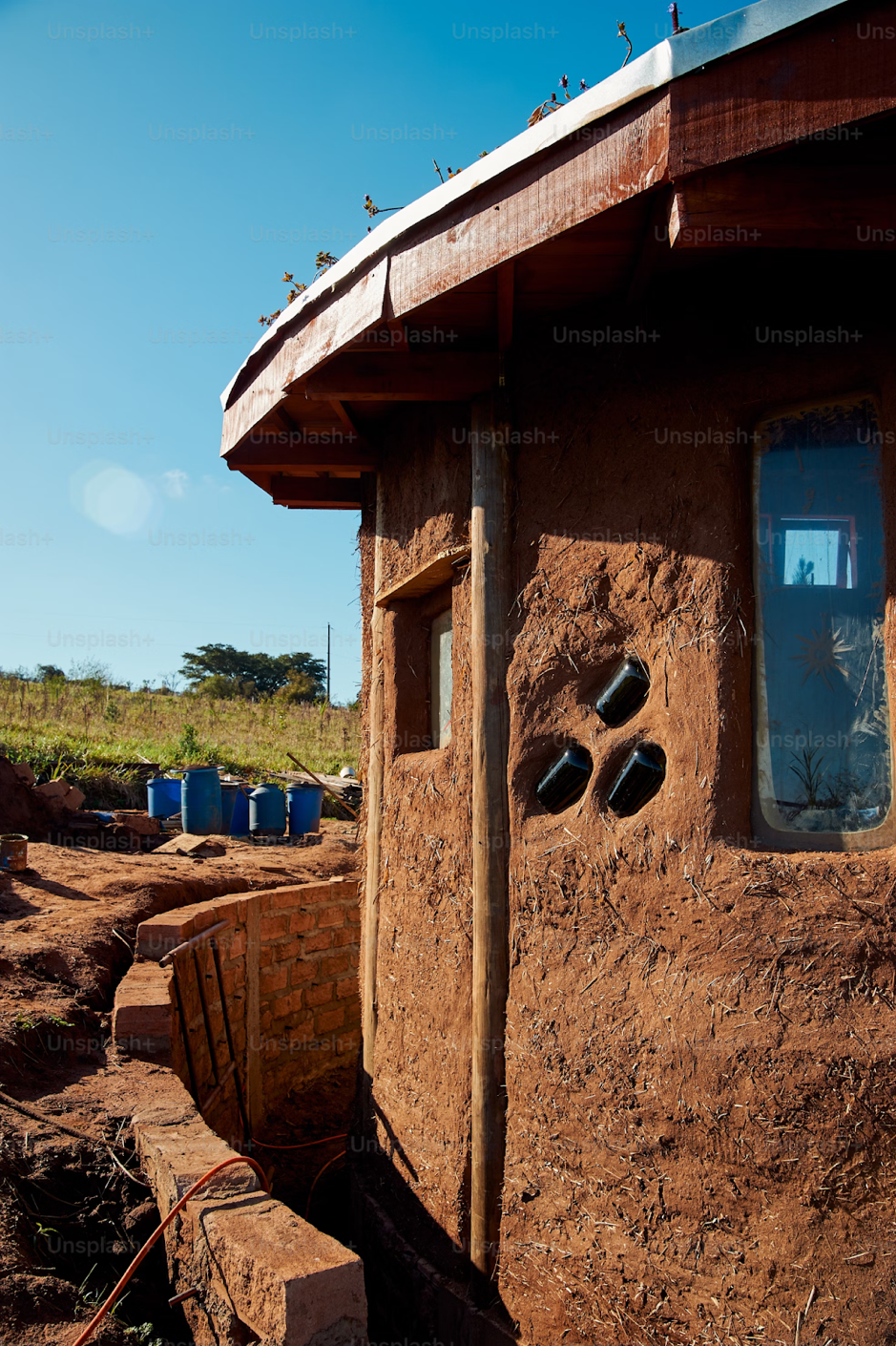
Want to know more about what we think at MMCPL about waste reduction and sustainability in construction? Take a look at our in-depth guide: Reducing Construction Waste in Large Infrastructure Projects: A Smarter, Greener Approach
Want to make your project popular or pass through the “greenest” policy standards? Here are ten sustainable construction practices to follow!
1. Low-Carbon Concrete Mixes
Due to current situations and ecosystems, we may not say completely no to concrete anytime soon, but we can change what goes into it.
Mixes that include fly ash, slag, or recycled aggregates can cut embodied carbon without compromising structural strength.
Many projects we consult on now ask for this upfront.
2. Prefabrication and Modular Building
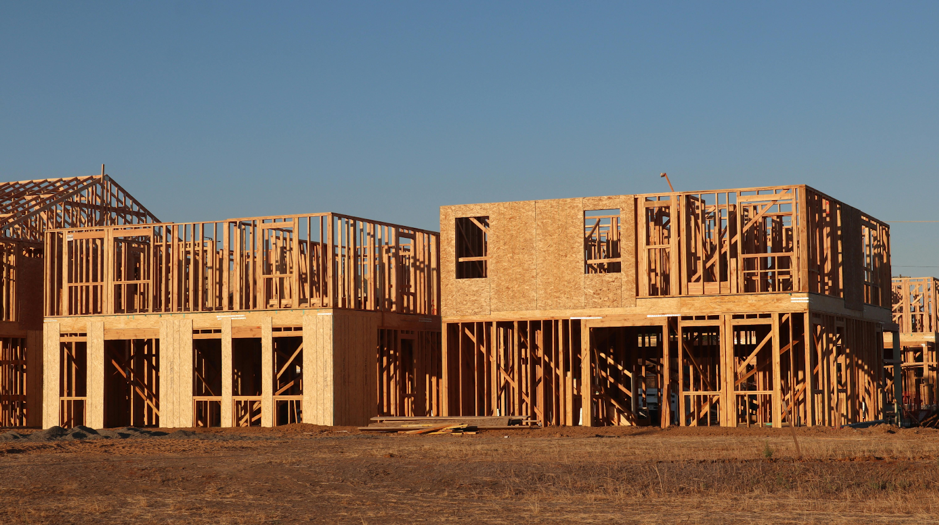
Today, prefab isn’t just for cost-cutting; it’s becoming a significant part of a green future.
With reduced on-site waste, faster build times, and minimal energy usage, this method fits perfectly into sustainable construction practices for schools, housing, and even public infrastructure.
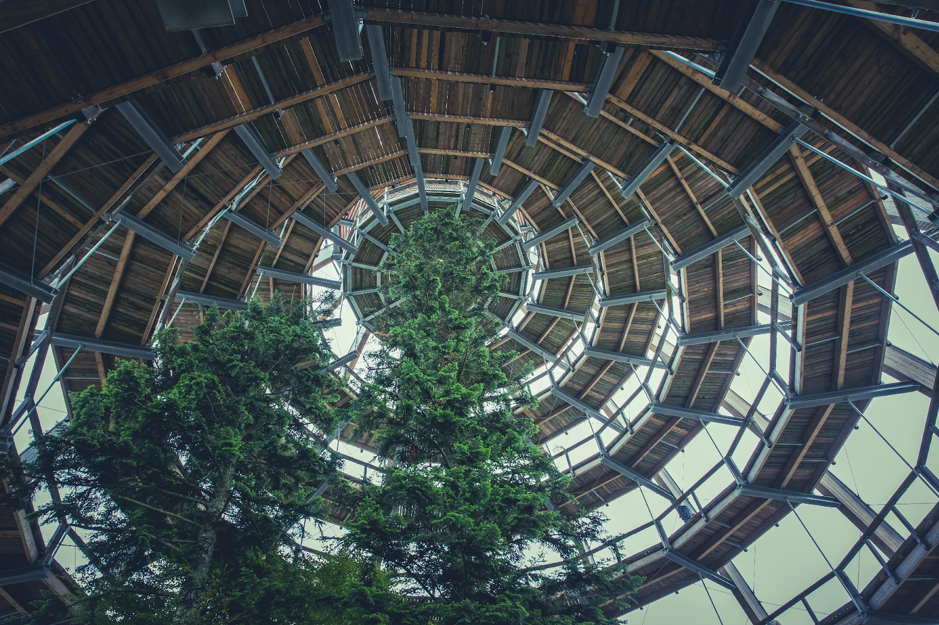
3. Green Roofing and Vertical Gardens
Green roof gardens are becoming quite popular, especially in urban builds! The reason is simple—green rooftops help with temperature control, reduce rainwater runoff, and boost biodiversity.
Cities across the world have started using vertical or limited-size gardens for mid-rise housing. Clients love them, and so does the grid.
4. Smart Energy Systems
If you’ve ever worked on a construction site, you know how much energy is consumed every second!
But the good news is, with some IoT-based energy monitoring, you’ll see immediate insights on wastage.
We’ve helped contractors trim down energy bills just by tracking tool usage and idle equipment time.
5. Adaptive Reuse of Structures
Though there are many best practices to maintain aging infrastructures, sometimes, the most sustainable move is not to build at all.
Retrofitting or expanding existing structures, especially heritage or industrial sites, preserves character and slashes material usage. And surprisingly, it turns out to be cost-effective too!
6. Electric and Hybrid Construction Equipment
You certainly might find the upfront cost of electric and hybrid construction equipment high, but once you’re running electric diggers or cranes, the benefits outweigh the costs.
Think about it—lower emissions, reduced noise pollution (a win in urban zones), and lower operating costs over time.
7. Recycled and Locally Sourced Materials
Why ship tiles from across the country when local options exist? Using regional materials cuts down on transport emissions and supports the economy around your build. And this helps you in time, resources, and after-sales services too!
8. On-Site Waste Segregation and Recycling
On-site waste segregation and recycling are one of the easiest but most overlooked sustainable construction practices.
Designate zones, assign bins, and educate your crew. We’ve worked with teams that now recycle up to 80% of their site waste.
9. Rainwater Harvesting at Construction Sites
Other than electricity consumption, construction sites also use a high amount of water, and to manage this resource well, we encourage every project to integrate a basic harvesting setup, as it reduces dependency on freshwater sources and can be reused for curing, site cleaning, or landscaping.
10. Life Cycle Assessment (LCA) in Project Planning
Want to future-proof your build? Start with an LCA. It helps predict the total environmental cost, from procurement to demolition. It also makes a strong case when seeking green financing or government clearances.
MMCPL’s Commitment: Building a Greener Future with Sustainable Construction
Many of the methods above are part of our workflow in past infrastructure builds, and we’ve written more about this in our blog about engineering & sustainability.
Today, sustainable engineering and construction practices won’t just help you win bids, they’ll help you build with purpose.
And that’s what we help you with at MMCPL!
We don’t just consult; we integrate what we say. From digital energy dashboards at our sites to material audits in procurement, we help clients ensure their projects aren’t just compliant, but ahead of the curve.
Ours is a three-pronged approach:
- Training our contractors and engineers on every new tech that enters the sustainability space
- Partnering with eco-material suppliers and renewable energy providers
- Running internal LCA simulations before a project even hits the drafting table
MMCPL is ready to help you lead the change. Let’s work together to create infrastructure that’s strong, smart, and sustainably built.
Because the future will judge us by what we choose to build today.
