
When Germany’s Berlin Brandenburg Airport finally opened after nearly a decade of missed deadlines, it was already outdated. Because there were fire safety flaws, design changes midstream, and political wrangling had turned a flagship into a fiasco.
On the other hand, Singapore’s Changi Airport expansions have become global benchmarks for efficiency, foresight, and flawless delivery.
In both cases, the ambition was the same, but the outcome was totally different.
It all boiled down to… infrastructure project management. It can make or break billion-dollar dreams.
And with urban growth outpacing supply, climate risks reshaping priorities, and supply chains wobbling since the pandemic, managing infrastructure today has become a survival skill.
This guide talks about the nitty-gritty and essentials of infrastructure project management, dives into tools and case studies, and maps out a smarter way forward.
What Makes Infrastructure Project Management Unique?
You can’t run an airport or a bridge project like a software rollout. With infrastructure projects, asset values are colossal, timelines stretch over decades, and every decision is under public and political scrutiny.
Moreover, risks are clearly visible and exposed in public. A permitting delay stalls an entire community. And a weak foundation can lead to a big hazard.
Context matters here. Regulation, climate, community pushback, and financing, all of these are factors that raise the stakes, make mistakes costlier, and push the margin for error close to zero.
Core Pillars of Effective Infrastructure Project Management
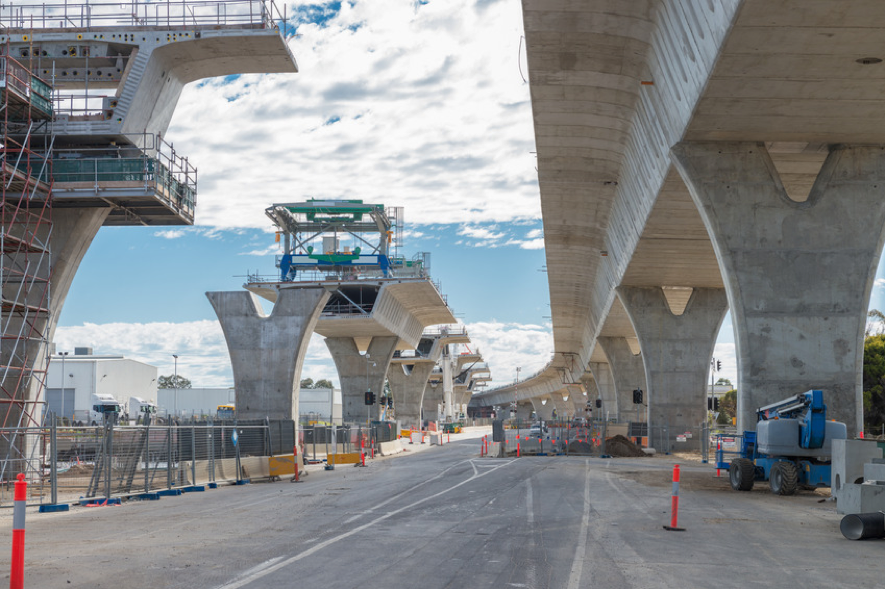
Image source: https://www.planradar.com/sa-en/impact-of-infrastructure-project-management-on-urban-development/
What are the various factors that constitute a strong foundation of effective infrastructure project management?
Strategic Planning & Scope Management
Scope creep is a project killer. Airports that start with a 20-gate plan and expand midstream to 30 often implode under their own ambition.
Smart managers break delivery into phases, ground every milestone in data, and resist “just one more” changes unless risks are mapped.
Stakeholder Engagement & Transparency
Ask anyone who worked on London’s Crossrail what really caused delays. Most won’t say tunnelling. They’ll say mismanaged stakeholder expectations.
Communities, regulators, and financiers weren’t fully aligned. Compare that with Singapore, where transparent updates and cross-agency coordination became routine. The difference? Trust.
Risk & Change Management
Weather shifts, global supply shortages, new environmental laws – change is the constant. Mature projects don’t just acknowledge risk; they simulate it.
And contingency plans, “what if” scenarios, and buffers built into timelines aren’t wasted effort. They’re why projects survive turbulence.
Resource & Talent Planning
We talk about concrete and steel, but what about people? Skilled labor shortages plague projects worldwide. Without planning for workforce gaps or having backup strategies when subcontractors fall through, even the best blueprints stay on paper.
Financial Controls & Cost Estimation
Nine out of ten megaprojects overshoot their budgets. Not by accident, but by optimism. In such situations, in-depth feasibility studies, robust parametric estimates, escalation modelling, and strong cost controls make the difference between financial predictability and fiscal embarrassment.
When all of these pillars come together to prop your project up, it helps you and your team manage expectations as well as workflow effectively.
And when you combine that with the latest technologies and tools, you take it a step further.
Tools & Technologies Changing the Future of Infrastructure Project Management
With evolving times, technology is giving project managers sharper tools and better optimism with advanced technologies:
Digital Twins & BIM: Singapore’s Land Transport Authority didn’t just build MRT lines; they simulated them before actually building them. Newer technologies like BIM and digital twins let teams test drainage, passenger flow, and long-term maintenance digitally before breaking ground. And all of these led to fewer surprises and smoother delivery.
AI for Predictive Analytics: In the US, highway departments are testing AI for demand forecasting. Instead of guessing future traffic patterns, algorithms crunch real data and spot risks early. That foresight trims costly mid-project redesigns.
IoT + Remote Monitoring: Sensors in bridges across pilot projects now track stress, vibration, and usage in real time. Instead of reacting after cracks appear, managers can now schedule proactive maintenance, which is a clear cultural shift from firefighting to foresight.
Cloud Collaboration: Imagine engineers in Tokyo, regulators in Washington, and contractors in Dubai working on the same live dashboard. Yes! That’s already happening. Today, cloud platforms are dissolving silos, cutting version conflicts, and speeding up decisions.
But let’s not get ahead of ourselves. There are some barriers in using these technologies—including skills lag, non-aligned global standards, and upfront costs. However, the indications are clear: without digital adoption, projects risk irrelevance.
Challenges & Pitfalls in Infrastructure Project Management

No matter how much technology advances, some challenges will always remain. For example, permitting reviews like NEPA in the US can stretch for years, sometimes decades.
Then there is supply chain volatility, which means one missing shipment of steel can ripple into months of delay. And then there’s always the human element—a global shortage of engineers trained in both traditional infrastructure and digital platforms.
The pitfall isn’t the challenge itself. It’s the illusion that these are temporary glitches. They’re structural. Ignoring them is like building on sand.
Global Case Studies of Infrastructure Project Management: What We Can Learn
Here are some of the most popular, successful, and failed examples of infrastructure project management:
Singapore MRT: The Success Story
Integration of BIM, stakeholder transparency, and rigorous planning turned Singapore’s MRT expansion into a masterclass. All thanks to painstaking detailing in designs, discipline in execution and rigorous documentation.
Berlin Brandenburg Airport: The Failure
Contrast the previous example with Berlin Brandenburg. Political interference, poor change management, and underestimated complexity dragged the project into a decade-long mess. Billions were lost, spotless reputations were burnt.
Japan’s Earthquake-Resistant Bridges: The Resilience Case
Japan shows resilience in action. Modern bridges are designed to sway, not snap, during earthquakes. This keeps transport networks functioning even after tremors. This isn’t engineering bravado. It’s foresight embedded in culture and regulation.
Taken together, these stories prove one clear point: Infrastructure projects don’t fail because of challenges. They fail because teams pretend challenges don’t exist.
Best Practices for Infrastructure Project Management Managers
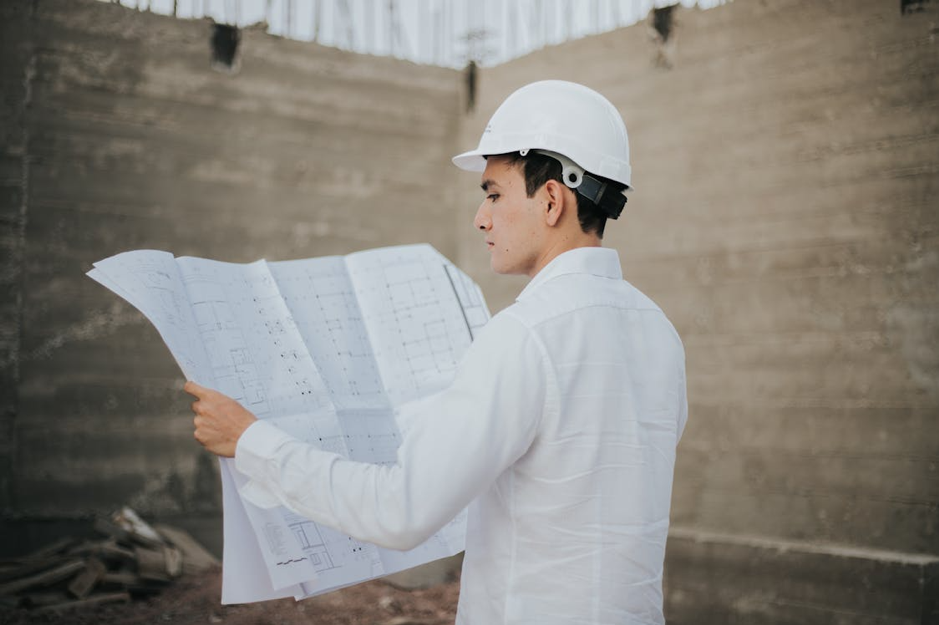
If you’re planning to manage or execute a major infrastructure project soon, here are some points you need to bear in mind:
- Mandate BIM or equivalent digital modelling.
- Embed sustainability and resilience metrics into all construction from day one.
- Set up regular stakeholder feedback loops.
- Build contingency buffers for both cost and time.
- Train teams on collaboration platforms, not just on-site processes.
- Audit assumptions and ongoing projects quarterly, not annually.
By following these simple steps, combined with consistency, you can smooth out the biggest infrastructure projects.
Plan Your Best Infrastructure Project with MMCPL
At its heart, infrastructure project management is about blending people, process, and technology into one disciplined whole.
The future will demand even more with AI integration, climate alignment, and social inclusion.
That’s where partners like MMCPL step in. With a track record of delivering projects that are efficient, sustainable, and resilient, MMCPL helps clients turn ambition into reality without repeating the mistakes of the past.
If you’re planning your next big project, don’t wait for lessons to come from failure. Plan it right, plan it smart, and plan it with MMCPL—speak to a member of our team today!
