
Take a look at any major intersection in any modern city, and you will see a similar pattern: gridlocked traffic, bursting water mains, and a power grid that feels one heatwave away from a collapse.
It’s a shared reality for cities across the world. Our urban centers are buckling under the combined weight of population explosions and a climate that refuses to follow historical patterns.
And here’s the uncomfortable truth: our infrastructure problems aren’t just about a lack of funding or “old pipes.” They are the result of outdated engineering approaches that treated cities as static, unchanging grids.
In 2026, the game has changed. Engineering in urban infrastructure is no longer about just pouring concrete; it’s about creating adaptive, data-driven systems that can “think” and respond to stress.
This blog explores how modern engineering is fundamentally transforming urban life in India and the USA, and why this shift is the only way to build cities that don’t just survive but thrive.
Why Urban Infrastructure Is Under Pressure Everywhere
The pressure on our cities is relentless, though it manifests differently across borders. In developed countries such as the US, we are dealing with a “legacy crisis” in civil infrastructure. Our roads, bridges, and transit networks—many built during the mid-20th-century boom—have long outlived their design life.
We are essentially trying to perform open-heart surgery on cities while they are still running.
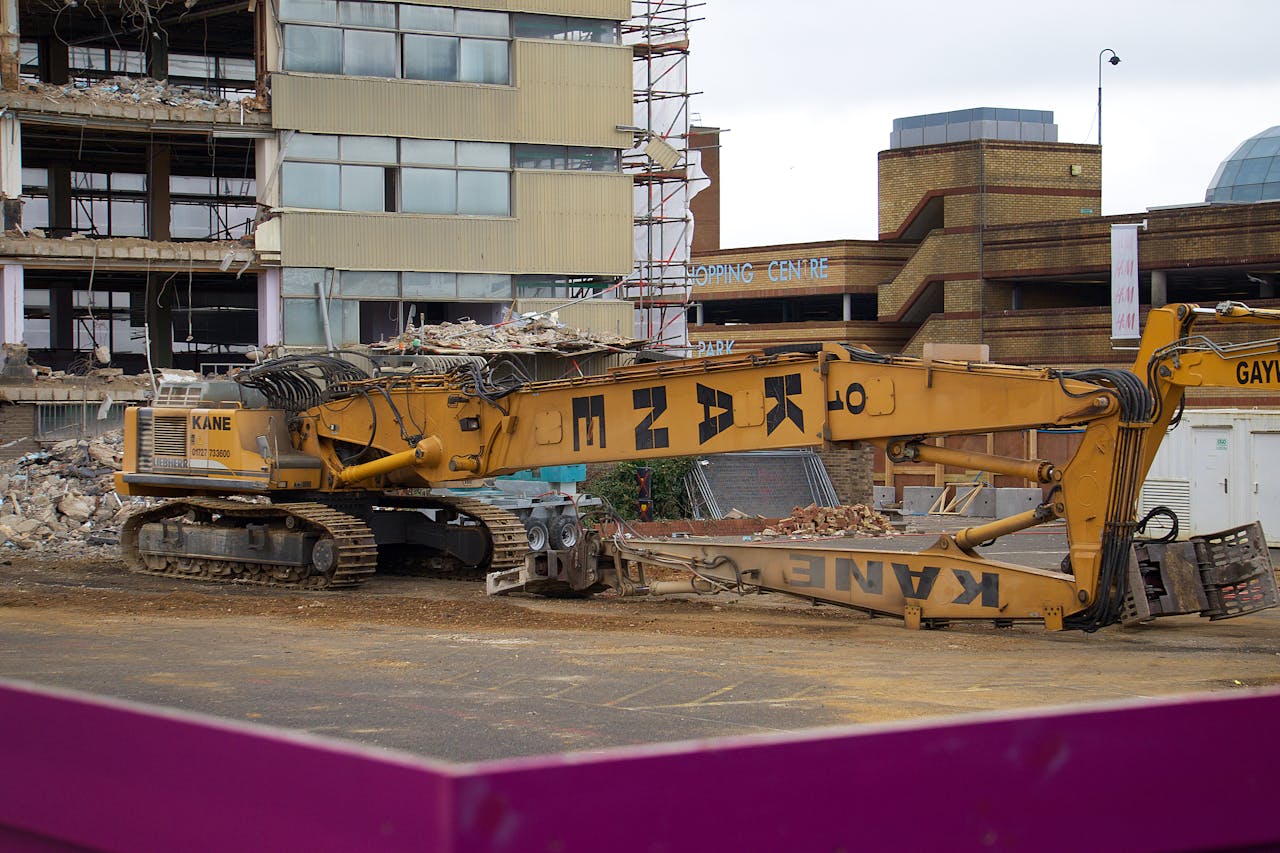
Meanwhile, in developing economies such as India, the challenge is the sheer velocity of infrastructure development. Massive, dense urban migration is stressing utility capacity to the breaking point.
In the middle of all this, the world is now facing a common enemy of climate volatility. From the “sunny day flooding” in Miami to the devastating monsoons in Bengaluru, the environment is proving that traditional safety margins are obsolete.
Public expectations are also at an all-time high; people no longer just want a road, they want a reliable, safe, and sustainable mobility corridor.
These pressures are forcing a radical rethink. We can no longer build in silos; every bridge and pipe must be part of a connected, resilient ecosystem.
As time evolves, we need to invent new ways of building and revamping modern infrastructure with cutting-edge engineering. Here are some ideas—
1. Data-Driven Planning and Design
The days of “guess-and-check” engineering are over. By leveraging Geographic Information Systems (GIS) and high-precision digital surveys, engineers are creating 3D models of entire city blocks before breaking ground.
Predictive modeling allows us to see how a new high-rise will impact the wind tunnel effect on the street or how a new drainage line will handle a 100-year storm.
This level of precision reduces rework and prevents the kind of cost overruns that have plagued urban projects for decades.
2. Smarter Mobility and Transport Engineering
We’ve realized that we can’t just “build our way out of traffic” with more lanes. Modern engineering in urban infrastructure focuses on integrated mobility.
In the US, we see this in the “Complete Streets” movement, which balances cars with transit and micro-mobility. In India, the “Smart Cities Mission” is deploying adaptive traffic signals that use AI to change timing based on real-time vehicle density.
It’s all about optimizing the asphalt we already have to keep people moving.
3. Resilient Water and Utility Infrastructure
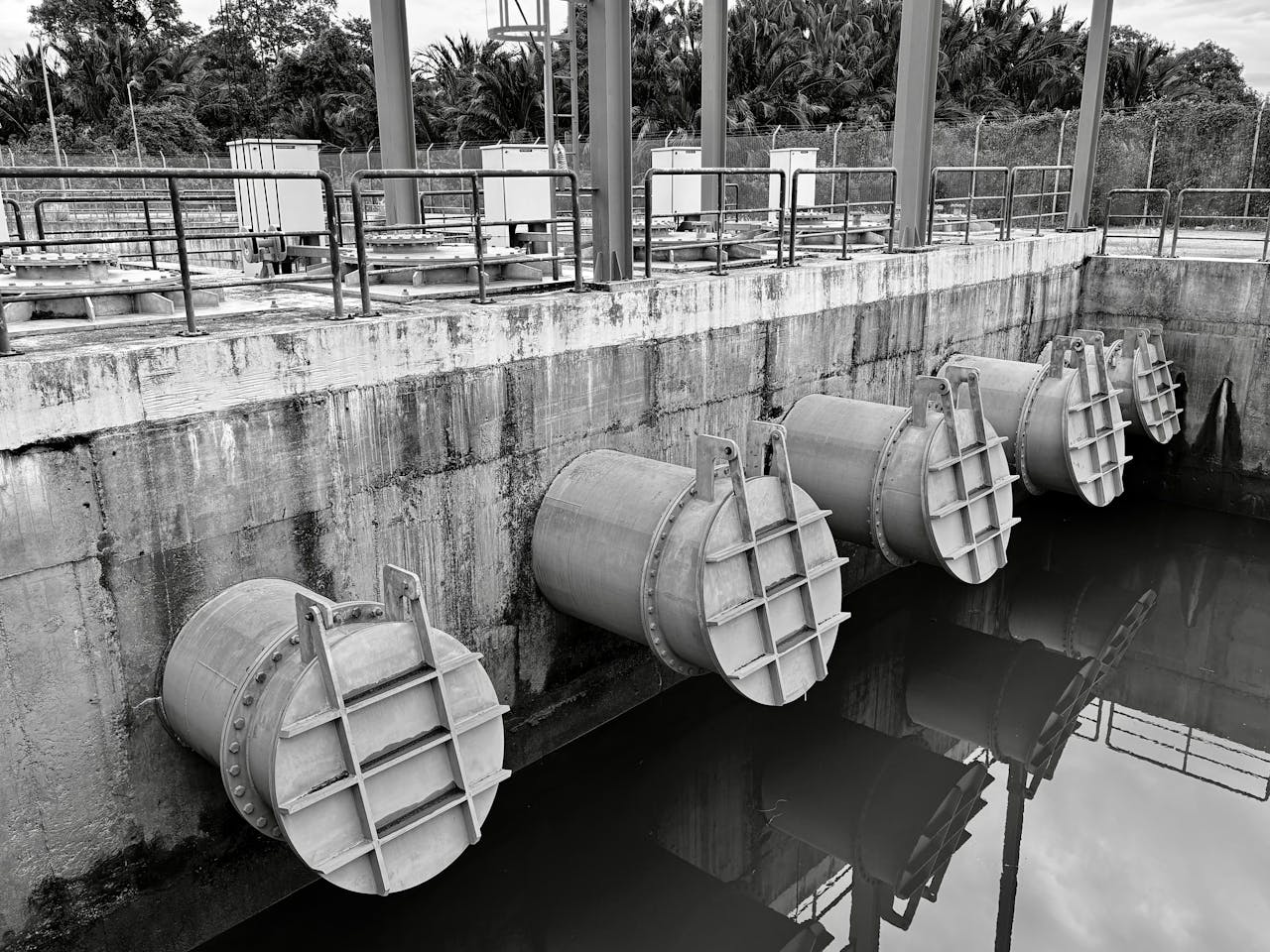
Water is the most stressed resource in modern cities. Modern engineering is moving away from massive, isolated reservoirs toward smart water networks. These systems use acoustic sensors to pinpoint a pinhole leak in a mile of pipe before it becomes a catastrophic burst.
By engineering decentralized treatment plants and “dual-piping” for greywater, cities are becoming resilient to both the droughts hitting the American West and the water scarcity issues in Indian metros.
4. Climate-Responsive and Sustainable Design
Sustainability is no longer a “green” checkbox; it’s a design and engineering constraint. We are now seeing the rise of permeable pavements that let soil breathe and heat-tolerant materials that combat the “urban heat island” effect.
Engineering is now blending “grey” infrastructure (concrete) with “green” infrastructure (urban wetlands). This integrated approach helps cities manage stormwater naturally, turning a flood risk into a community asset.
5. Lifecycle-Based Engineering and Asset Management
The “build and forget” mindset is a financial disaster. Modern engineering now focuses on the Total Cost of Ownership or TCO.
Using AI-driven software and digital twins (virtual replicas of physical assets), engineers can monitor the structural health of a bridge in real-time using IoT sensors.
This allows for “predictive maintenance,” where we fix a small fatigue crack today for $1,000 rather than replacing a bridge deck five years from now for $10 million.
Bring the Excellence of Engineering to Urban Infrastructure with MMCPL
At the end of the day, engineering in urban infrastructure is the foundation of every livable city. Whether it’s the high-stakes rehab of a US interstate or the rapid build-out of a new Indian tech hub, the need for smarter, more resilient engineering is universal.
This is where MMCPL becomes your go-to solution. We don’t just understand these shifts, we lead them. From GIS-mapped planning to the deployment of climate-responsive materials, we ensure your project isn’t just a civil structure, but a long-term asset for the city.
Cities that modernize their engineering today will lead the world tomorrow. Let us help you build that future!
