
Some things aren’t designed to last forever, and yet we rely on them every day. For example, roads, bridges, pipelines, and power lines. All of them were built in the last century, and still, they carry the weight of today’s population, economy, and climate pressure.
But underneath that reliability, there’s a growing concern about aging infrastructure. Almost across the world, the infrastructure we depend on is showing signs of fatigue, be it roads and motorways, bridges or urban infrastructure. And the cost of ignoring it is rising.
Much of what we use today was built in the 1950s through the 1980s. It wasn’t made for the kind of stress it’s handling now, like rapid urbanisation, heavy freight, rising water levels, and extreme temperatures. We’re asking more of these systems than they were ever designed to deliver.
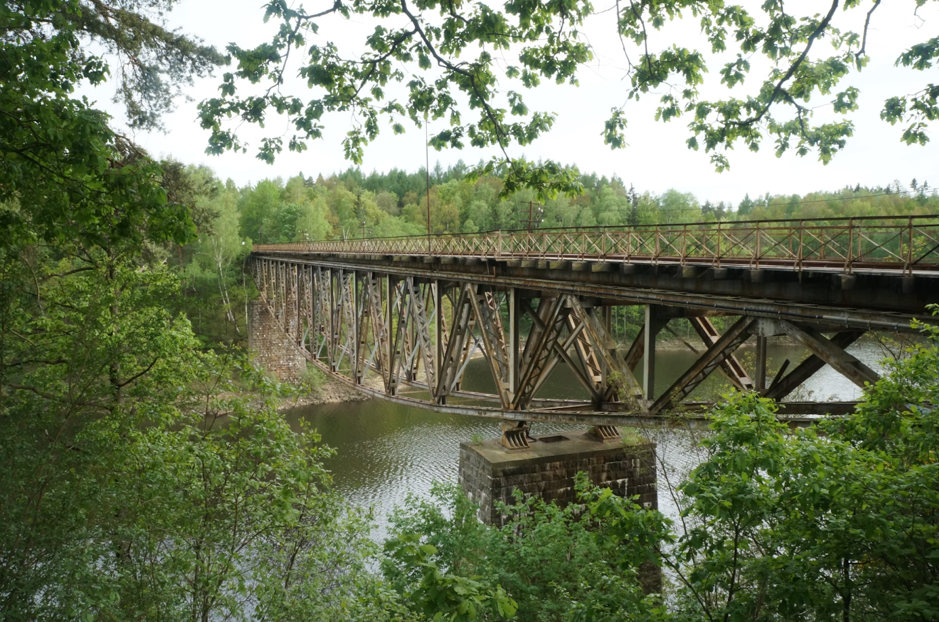
So the question now becomes: how do we move forward without tearing it all down? The answer isn’t always rebuilding. Often, the smarter path is learning how to maintain aging infrastructure with strategy, care, and the right mix of experience and technology.
And that’s what we’ll explore here: what’s going wrong, what can be done, and how companies such as ours are quietly leading the way in making old systems work like new again.
Why Is Aging Infrastructure Even a Concern?
It’s not one dramatic failure that sets off alarm bells; it’s more about slow, creeping signs. That dripping pipe that’s been patched three times. The flyover with a speed restriction no one talks about. A recurring power cut always hits during the first heavy rain of the season. These aren’t quirks, they’re symptoms.
Recently, we have been seeing more frequent infrastructure failures and building collapses. Not just internationally, but here at home too. A burst water main might flood half a neighbourhood. A neglected bridge might weaken to the point of collapse. And in every case, the costs—economic, human, and reputational—are far greater than if the issue had been addressed earlier.
Maintenance costs grow exponentially when they’re reactive. But beyond that, older systems are being stressed in ways their creators couldn’t have predicted. Climate changes are more intense. City populations are denser. Load expectations are higher. And all of it is happening on infrastructure that was built for a completely different time.
At MMCPL, this is why we’ve shifted focus not just to fix things, but to plan for the entire life cycle of a proposed project in advance, while also maintaining existing infrastructure with the right strategies. We use a risk-based mindset to evaluate the parts that are deteriorating, what matters most, and how we can extend the life of the structure without creating more disruptions in the process.
So let’s first look at the seven most common challenges when it comes to the maintenance of aging infrastructure.
Common Challenges in Maintaining Aging Infrastructure
Let’s be honest: maintaining infrastructure that has passed its prime isn’t easy. Even when you know what needs to be done, the real world tends to throw its own kind of challenges.
The first roadblock is money. Big upgrades or retrofitting work require serious capital, and public budgets are often stretched thin. It’s not uncommon to see maintenance plans get pushed back year after year, until something breaks. By then, the fix is far more expensive than it would have been earlier.
Then there’s the infrastructure itself. Materials deteriorate like steel rusts, concrete cracks, and wood rots. And when structures sit in coastal zones or areas with extreme temperature shifts, the wear and tear accelerate. You can’t expect a pipe laid in 1968 to hold up forever, right?
Design is another silent challenge. Older assets were built under outdated codes, when things like seismic resilience or flood adaptation weren’t priorities. Retrofitting them now means not just fixing what’s visible, but rethinking the original design to meet today’s demands.
Technology also plays a role here. Many older systems simply aren’t compatible with modern monitoring tools or automation. They weren’t built with sensors or data feedback in mind, which makes it harder to track their condition or spot issues early.
Bureaucracy adds a layer, too. If the infrastructure sits on government land or holds historic status, even small changes might require months of approvals. Projects get bogged down in red tape, despite the urgency.
And let’s not forget people. As experienced engineers retire, there’s a shortage of skilled workers who know how to repair older systems. Newer technicians may know the latest tech, but they’re not always trained to handle 40-year-old equipment.
Lastly, any maintenance, no matter how necessary, tends to cause disruption. Power cuts, road closures, water shutdowns. And with aging systems, the risks during the maintenance phase itself can be higher. It’s a delicate balance.
So, how do we go about these challenges? The simple answer lies in following certain “best practices” when it comes to maintaining aging infrastructure.
Best Practices for Effective Maintenance of Aging Infrastructure

Despite all the complications, there are ways to maintain aging infrastructure in the right way. We’ve seen firsthand that when you combine data, experience, and a willingness to think long-term, old infrastructure can not only survive, but thrive.
Here are some effective best practices that you need to follow as a rule of thumb…
- One of the smartest shifts we’ve made at MMCPL is moving from reactive to predictive maintenance. Rather than waiting for things to fail, we use sensors and AI to pick up early signals, like checking stress levels in pipes, temperature fluctuations in transformers, and vibration data from bridges. This helps us intervene before the damage escalates.
- But with limited budgets, it’s not about fixing everything at once. You need to prioritise. We often start with a criticality map – what will cause the biggest disruption if it fails? We model different scenarios and simulate repair timelines, helping clients choose between short-term fixes and long-term rebuilds.
- Building materials matter too. We’ve moved toward using corrosion-resistant metals, fibre-reinforced composites, and, in some cases, self-healing concrete that seals its own cracks. These choices extend lifespan and reduce how often we need to intervene. When possible, we opt for modular parts, which make replacements quicker and safer.
- Technology isn’t just for new builds. We’ve retrofitted older infrastructure with digital systems using tools like Building Information Modelling (BIM) and SCADA when it comes to building roads and highways. And in some cases, we’ve created digital twins like virtual versions of real assets that help us test ideas before touching the real thing.
- Workforce is another area we focus on. Training today’s technicians to understand both legacy systems and modern tools is key. We’ve partnered with institutes and run on-site mentorship programs to bridge this gap.
- Sustainability is a huge part of the equation. We aim to reuse wherever we can. If a beam or casing is structurally sound, we reinforce instead of replacing it. On most MMCPL sites, we manage to keep material and construction waste to a minimum, which makes a real difference over time.
And none of this happens in isolation. We involve municipalities, consultants, and even community stakeholders early on. Maintenance becomes smoother when people are informed, involved, and aligned.
These practices aren’t perfect all the time, but they work. And they’ve helped us maintain aging infrastructure across highways, pipelines, and utility systems without constant emergency repairs.
MMCPL’s Role in Modernising Old Infrastructure
We’ve been called into projects where the blueprint was missing, the structure was very old, and no one had touched it in decades. That’s where MMCPL works best. We don’t panic, we dig in.
In one urban stormwater system, we used trenchless tech to reline old pipelines without excavating busy roads. It was done faster than traditional methods, with zero traffic disruption.
On another flyover bridge project, we reinforced an older span using advanced composites that extended its life by multiple years, with minimal visual impact.
What makes us different isn’t just the tools—it’s the thought behind how we use them. We consider cost, time, safety, and climate impact. We involve people. And most importantly, we don’t approach maintenance as an isolated event. It’s a process. One that, if done right, gives cities the breathing room to grow without constantly rebuilding.
The Last Word in Maintaining Infrastructure
Old infrastructure isn’t the enemy. In many cases, it’s still doing the job. The challenge is making sure it keeps doing it—safely, efficiently, and without surprise breakdowns.
At MMCPL, we believe in smart maintenance, focused, collaborative, and backed by the right technology. Whether you’re managing utilities, transport networks, or municipal systems, we’re here to help you extend the life of what already exists.
Because when you manage and maintain infrastructure the right way, you don’t just save money, you earn time. And that’s the most valuable asset of all.
Get in touch with our team now to discuss your project requirements!
