
In the United States, a piece of raw land can be incredibly deceiving. To the untrained eye, a flat, grassy lot looks like a “plug-and-play” opportunity for a new subdivision or commercial hub.
However, seasoned U.S. developers know that what’s beneath the surface and what’s written in the local zoning code determines whether a project is a goldmine or a money pit.
Today, land development is a minefield of shifting environmental regulations, aging utility tie-ins, and increasingly strict climate resilience mandates. This is where land development engineering steps in.
It is the critical bridge between a visionary site plan and a physically viable, legally approved, build-ready reality.
Let us break down why getting your engineering right from day one is the single most important factor in safeguarding your ROI.
What Is Land Development Engineering in the U.S. Context?
In the American market, land development engineering is far more than just “grading the dirt.” It is a multidisciplinary process that starts long before the first bulldozer arrives. It encompasses the technical due diligence required to prove a site can actually support the density a developer intends to build.
The scope typically covers everything from site feasibility and soil analysis to the intricate design of roads, stormwater management systems, and utility extensions.
An engineer in this field acts as the primary coordinator, threading the needle between the developer’s vision, the city planner’s zoning requirements, and the utility company’s technical constraints.
There is a massive distinction between simply acquiring land and having “engineered land readiness.”
The latter means the project has cleared the technical hurdles of slope, drainage, and accessibility, turning a liability into a buildable asset.
Why is Land Development Engineering Becoming More Complex in the USA?
If you feel like it’s getting harder to get a project out of the ground in the U.S., you’re right. The regulatory system has become incredibly fragmented.
A single project might require a “green light” from a municipal planning board, a county drainage district, a state Department of Transportation (DOT), and potentially federal agencies like the EPA or the Army Corps of Engineers if wetlands are involved.
Beyond the paperwork, we are seeing a massive shift in environmental oversight. Stormwater runoff requirements (NPDES) are tighter than ever, and climate pressures, ranging from record-breaking flash floods to water scarcity in the West, are forcing engineers to design systems that are both resilient and sustainable.
Furthermore, local communities are more vocal than ever. Public hearings now scrutinize every aspect of a design, from traffic impact to “heat island” effects.
These pressures make early-stage land development engineering decisions more critical than ever; a mistake in the preliminary plat can lead to a year-long delay in the public hearing phase.
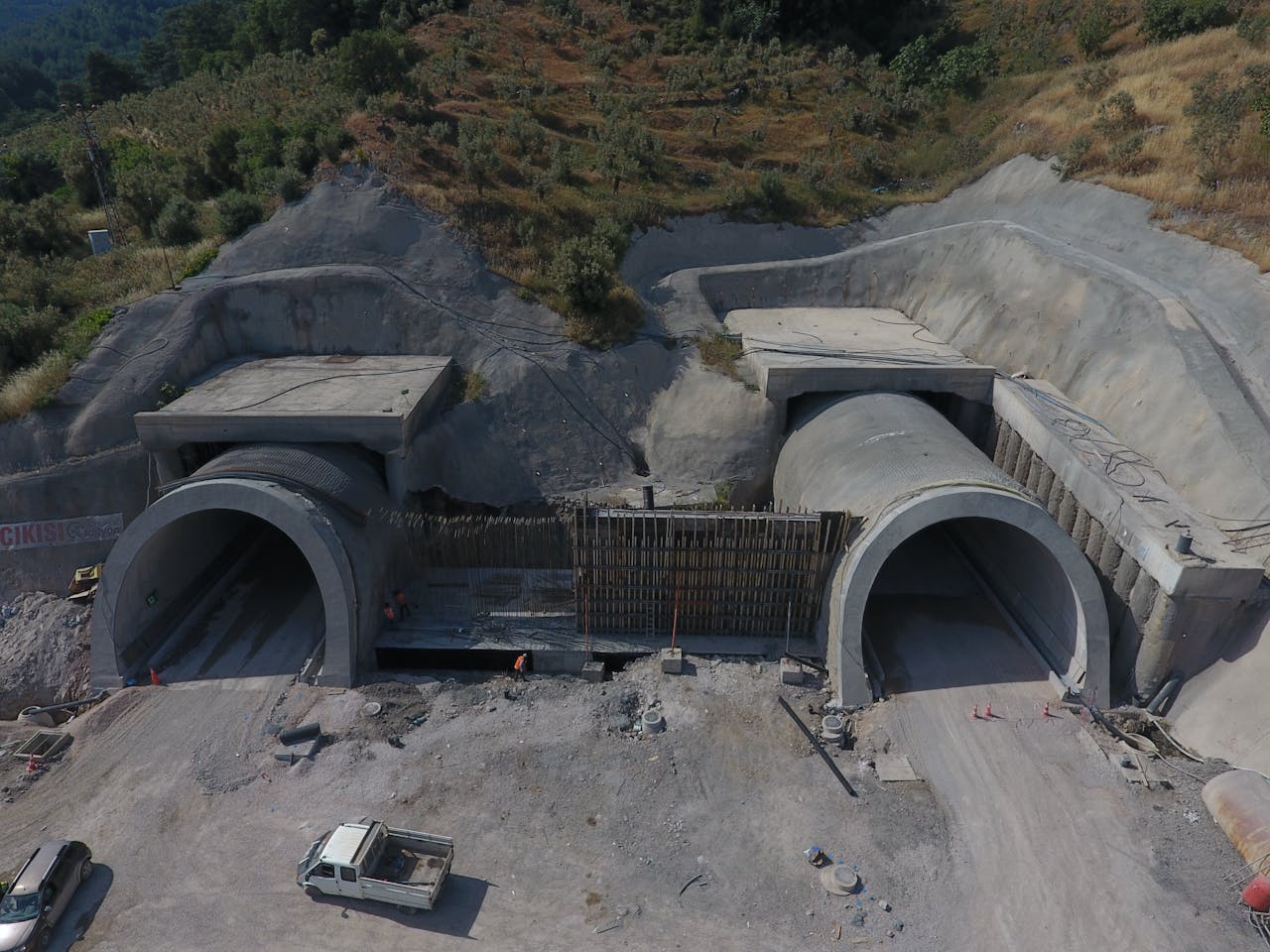
How Land Development Engineering Reduces Risk and Improves ROI
In real estate, time is quite literally money. Every month spent in “permitting hell” is a month of interest payments without revenue. High-quality land development engineering reduces this risk by identifying “deal-killers” during the due diligence phase, way before you close on the land.
When your engineering is airtight, you improve predictability. Lenders and institutional investors are far more likely to fund a project that has a clear path for utility connections and a drainage plan that already meets state-level requirements.
Good engineering also prevents redesign nightmare—that soul-crushing moment when you have to go back to the drawing board because the initial site plan didn’t account for a hidden floodplain or a sewer line that was too shallow.
Ultimately, engineering quality determines your project’s profitability far more than market fluctuations ever will.
Common Mistakes Developers Make When Land Development Engineering Is Undervalued
The most expensive mistake a developer can make is buying land before a full engineering feasibility study is performed.
We’ve seen developers fall in love with a site’s location, only to find out later that the costs of supplying water and bringing in power lines exceeds the projected profit of the entire build.
Another trap is treating engineers as “downstream service providers” – people you call only when you need a stamp on a blueprint. By the time you call them, the site layout might already be fundamentally flawed.
Ignoring the complexity of stormwater management is another classic error. In many U.S. jurisdictions, you can’t just pipe water away anymore; you have to treat and retain it on-site, which can eat up a massive chunk of your buildable acreage.
Remember, short-term cost-cutting on the engineering fee almost always leads to massive long-term overruns during the construction phase.
What Developers Should Look for in a Land Development Engineering Partner
You don’t just need a firm that can draw; you need a partner who knows the unwritten rules of the local building department. In addition to deep local regulatory knowledge, it helps if they’re on a first-name basis with the people who approve your permits.
Look for a firm that integrates planning, engineering, and approvals into a single workflow. They should be proactive, not reactive.
Additionally, you want an engineer team that comes up to you and says things like, “We found a slope issue on the north side, so we’ve already adjusted the road alignment to save you $200k in retaining wall costs.”
Clear communication is the final piece of the puzzle. Your engineers must be able to translate complex technical jargon into a clear business case for stakeholders, city councils, and investors.
Experience The Best Land Development Engineering in the USA with MMCPL
At its core, land development engineering is the process of turning raw potential into a tangible, profitable reality. In the U.S., where regulatory and environmental hurdles are only getting taller, your choice of engineering partner is the most decisive move you will make.
From initial site feasibility to final infrastructure integration, MMCPL brings the technical precision and local expertise required to navigate the complexities of the American market.
Developers who invest in strong engineering early build faster, safer, and with significantly higher margins. That’s where MMCPL stands apart as your go-to solution.
We don’t just provide blueprints; we provide a strategic roadmap for your project’s success. Let’s build your next project on a foundation of engineering excellence!
