
In developing countries, more often than not, rural communities are the backbone of the economy. And yet most of these communities face an everyday challenge that most urban populations rarely think about.
For example, a WHO/UNICEF study found that less than 15% of rural dwellers in low-income countries had access to safe water. In many regions, the nearest water source might still be a handpump, a seasonal stream, or a shared community well—clearly reflecting a lack of water resource management.
Moreover, toilets, where they exist, often suffer from poor maintenance, inadequate water supply, or incomplete waste treatment.
The interesting point here is, these gaps aren’t due to neglect alone. It’s also because rural settlements are spread out. Water tables are falling. Funding cycles are slow. And the infrastructure is aging or incomplete.
On the other hand, designing municipal water treatment systems that are affordable, durable, and easy to maintain requires a level of engineering nuance that goes far beyond building a few pipelines or toilets.
And to understand those nuances, in this blog post, we will explore why strengthening sanitation in rural areas requires:
- a coordinated infrastructure-led approach that covers water supply, wastewater treatment
- drainage, monitoring, and community adoption
- engineering-led solutions
When combined, all these factors can help rural regions build healthier, more resilient futures.
Before we start, let’s first look at the hurdles that governments face when it comes to sanitation in rural areas.
Common Sanitation Challenges in Rural Areas
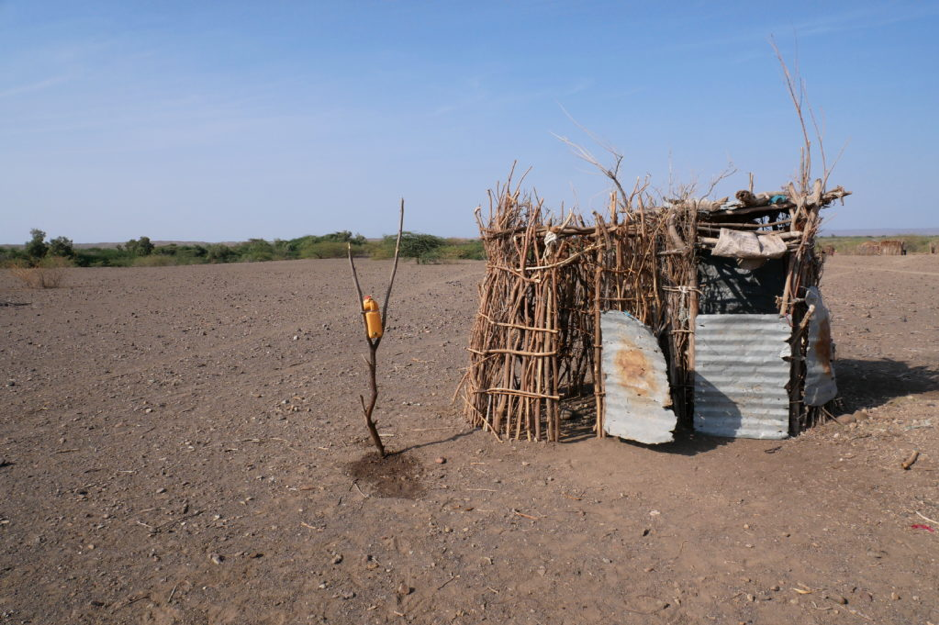
Rural sanitation challenges rarely come from a single source as they’re interconnected, and often build on each other.
To begin with, we can say that many villages still lack reliable piped water networks, making handwashing, toilet use, or wastewater treatment difficult.
Though groundwater remains the primary source for drinking, washing, and irrigation, in many parts of India, Kenya, Nepal, and the Philippines, wells run dry during summer or become contaminated during the monsoon.
Moreover, wastewater systems are another missing link. Most rural homes depend on septic tanks or soak pits that are poorly designed or never desludged. And as a result, overflow and leakage contaminate soil and nearby water bodies.
Further, open defecation still persists in pockets, not always because toilets are unavailable, but because they lack water or proper ventilation, or villagers are unsure how to maintain them.
Scattered populations add another layer of complexity as serving 50 homes spread across 3-4 km requires much more pipework per household, pushing up infrastructure costs.
Last but not least, agricultural runoff, open drains, and shallow groundwater increase the chances of contamination, as already seen in parts of East Africa and Southeast Asia, where infrastructure couldn’t keep pace with population changes.
These challenges underscore why planning for sanitation in rural areas must integrate water supply, drainage, environmental safeguards, and behaviour change, not treat them as separate problems.
Why Sanitation in Rural Areas Must Be a Priority Today
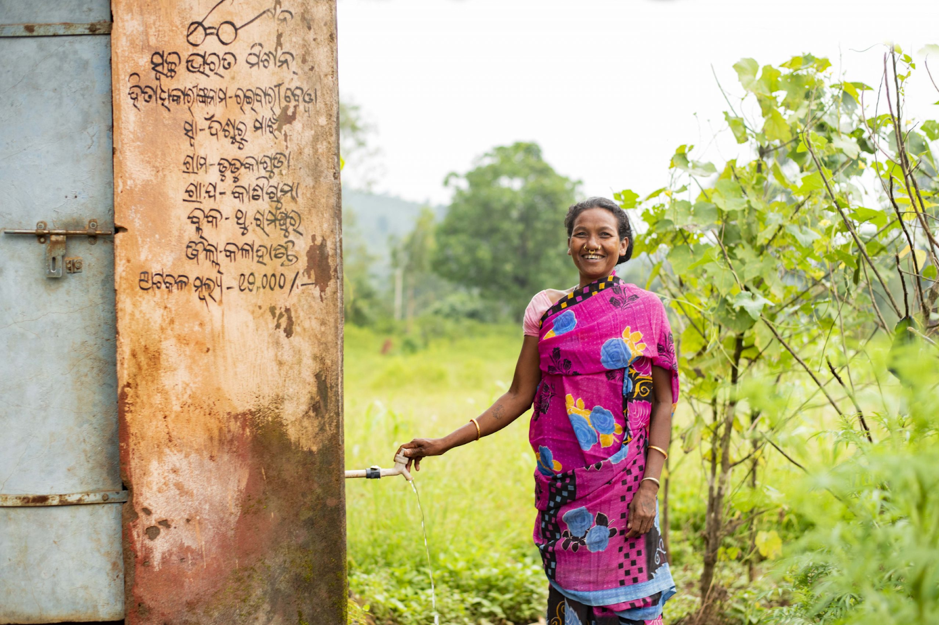
One of the most important reasons for sanitation in rural areas is that the health implications are immediate and severe. Contaminated water is directly linked to diarrhoea, cholera, typhoid, hepatitis A, and other waterborne diseases that disproportionately affect young children and the elderly.
In many communities, especially across South Asia and Africa, children under five suffer repeated infections – not due to lack of medical care, but because water and sanitation systems fail them daily.
Women and girls are hit even harder. Inadequate toilets compromise dignity and safety, forcing many to wait until nightfall to relieve themselves.
Additionally, schools without gender-friendly sanitation see higher dropout rates among adolescent girls.
And economically, the impact is huge. Illness-related absenteeism reduces productivity during peak agricultural seasons. Healthcare costs rise. Local economies slow down.
The good news is, research shows that every dollar invested in sanitation returns about $4.30 in health savings and productivity gains.
Among all of these, climate change compounds the urgency. Erratic rainfall, rising temperatures, and declining groundwater call for climate-resilient infrastructure, along with water and sanitation systems that can withstand both droughts and floods.
Keeping all of the pointers above in mind, it’s high time now that we strengthen rural sanitation.
Building Public Infrastructure That Improves Sanitation in Rural Areas
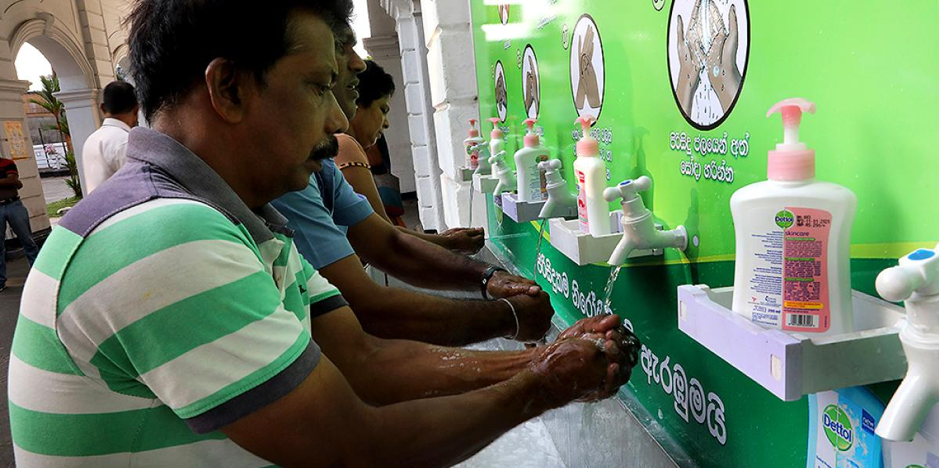
Building safe and reliable sanitation in rural regions requires more than building toilets or digging wells.
To build sanitation in rural areas, it’s important to have a system led by solid infrastructure planning and community acceptance.
Here are the five basic factors that matter most for improving sanitation in rural areas:
1. Reliable Water Supply Systems
A sanitation system only works when water is available consistently. Rural water supply may come from borewells, tube wells, springs, or surface water pipelines. However, these sources need engineering support like proper casing, pumps sized for demand, filtration units, and storage tanks that maintain pressure.
It’s also important to keep in mind that gravity-fed systems work well in hilly regions, while solar-powered pumps are ideal for villages facing erratic grid power.
Other than sanitation systems, water treatment is equally essential. By placing compact treatment units or slow sand filters, even small villages can benefit to a great extent.
2. Decentralized Wastewater Treatment
Let’s face it—large STPs aren’t feasible in villages, but decentralized wastewater treatment systems (DEWATS) are. These systems use natural processes like sedimentation, anaerobic digestion, and planted gravel filters to treat wastewater with minimal energy.
Additionally, upgraded septic tanks, twin-pit systems, or small-scale STPs reduce contamination and protect groundwater. Further, manmade wetlands are also known to work well where appropriate land is available.
3. Safe and Sustainable Toilets
Moving next, another important infrastructure pillar for better sanitation in ruler areas is safe and sustainable toilets. And they require engineering nuance.
It has to be practical, sturdy, and easy for families to use every day. Things like ventilation, the size of the pit, the lining material, and even how the structure handles floods can make or break the system.
Moreover, twin-pit toilets are popular because when one pit fills up, you simply switch to the other. The first pit naturally turns waste into safe compost over time. Therefore, in areas with high groundwater, bio-digester toilets make more sense since they break down waste faster and reduce contamination risks.
And of course, some places like markets, schools, and bus stands need reliable community toilets instead of expecting every household to build their own.
Remember, the real challenge isn’t in building toilets—it’s keeping them clean, functional, and comfortable enough that people choose to use them every day.
4. Village-Level Water Quality Monitoring
Water systems don’t stay safe on their own. Someone has to keep an eye on them. In many villages, a mix of simple tools and modern tech helps make sure drinking water stays clean.
For example, IoT sensors can track water levels and quality inside wells and tanks. Regular bacteriological tests catch contamination early. Chlorination systems keep supply lines safe, and affordable household filters add a final layer of protection.
When villagers know their water is tested and treated, trust in the piped supply grows, and so does the overall success of the sanitation system.
5. Integrated Drainage and Solid Waste Management
Finally, drainage may not look important, but it’s often the reason rural sanitation systems fail.
When stormwater and wastewater have nowhere to go, they flood soak pits, overflow toilets, and contaminate nearby wells. That’s why villages need simple but effective drainage channels, soak pits, and green drainage systems that move water away safely.
Besides that, solid waste matters too. Without proper disposal, waste piles up in open fields or near homes, eventually seeping into water sources. To avoid such situations, solutions like compost pits, basic segregation, and small collection systems go a long way.
When drainage, waste management, and sanitation work together, villages stay cleaner, water stays safer, and the entire community benefits.
How MMCPL Helps Build Sustainable Rural Water & Sanitation Systems
MMCPL approaches rural sanitation like an integrated engineering puzzle, starting with surveys, hydrological studies, and feasibility assessments, followed by infrastructure planning, detailed engineering, and implementation support.
Our expertise spans decentralized wastewater systems, rural water supply networks, solar-based pumping, stormwater planning, and community-centric sanitation models. We also focus heavily on low-O&M and long-life solutions, because sustainability matters most where resources are limited.
For governments, NGOs, and development agencies looking to build healthier, safer, climate-aware villages, MMCPL brings the technical depth needed to turn ideas into workable, long-term sanitation systems. So, get in touch with our team today to discuss your next project today!
