
India is building over 30 kilometres of roads every day. Though it’s a good number to state, behind it sits a quieter truth: budgets are stretched thin.
The United States, despite having one of the world’s largest highway networks, faces the same pressure with aging roads, spiralling maintenance costs, and constant public demand for better connectivity.
So when we talk about low-cost road construction or low-cost highway construction, cutting corners won’t be sufficient. We would also need to find ways to do more with the resources we already have that lead to smarter alignments, better planning, efficient materials, and yes, a dose of technology.
Why Rethinking Road Construction Costs Is Necessary Today?
Every country with ambitious road and highway projects has one common roadblock: money. Governments know that they can’t endlessly keep increasing highway budgets.
In India, the challenges stack up fast. Building in the Himalayas costs differently from building in the plains of Gujarat.
Whereas in the US, extreme temperature swings from Texas heat to Minnesota blizzards push pavements to their limits. Climatic diversity adds another layer of expense.
If all of these were not enough, there are the usual culprits — such as projects running late, materials wasted due to poor storage, procurement delays, and the inevitable tug-of-war of political, community and local interests.
The result? Budgets balloon.
That’s why it’s not enough to pour asphalt faster. We need systems that think long term. Sustainability isn’t just a green buzzword anymore, as lifecycle costing has become a serious part of low-cost highway construction strategies in both Delhi and D.C.
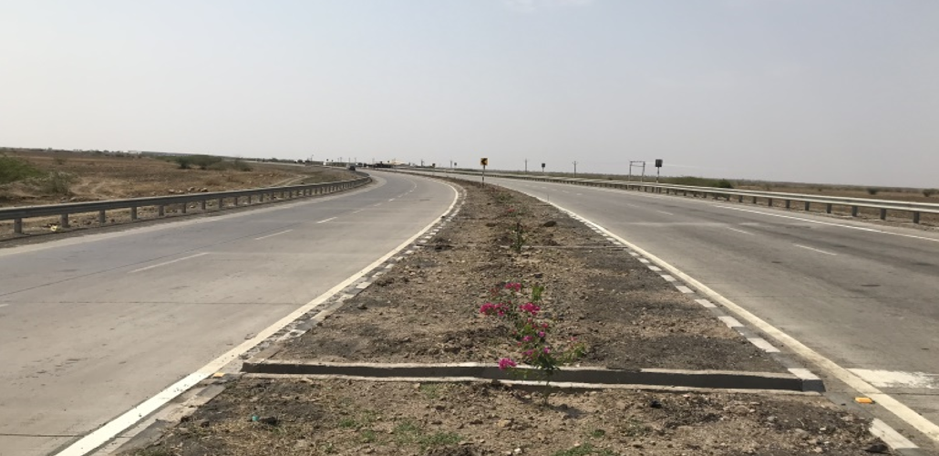
Smart Techniques for Low-Cost Road Construction
What is projected at the start of a road construction project is more often than not far different from what works on the ground and the final outcome. Here are some approaches we’ve seen succeed both in developed and developing countries across the world.
- Terrain-Based Alignment Optimization: Choose the wrong route, and you’ve already wasted crores. LiDAR and GIS mapping now help Indian planners avoid costly earthworks and land acquisition disputes. In the US, similar tools are used in sensitive ecological zones — such as highway alignments through wetlands in Florida — to reduce mitigation costs.
- Soil Stabilization Using Locally Available Additives: Importing aggregates drives costs up. India’s PMGSY program uses lime and fly ash to strengthen weak soils in semi-urban roads. The US prefers cold in-place recycling, stabilizing subgrades with foamed asphalt while reusing what’s already there.
- Use of Cold Mix Asphalt in Appropriate Climates: Cold mix has been a quiet hero in India’s rural road network by saving fuel and enabling construction in remote hills. In the US, cold mix is used more for quick patching on state highways, particularly where hot mix plants are too far away to be viable.
- Precast Culverts and Bridge Components: Monsoon delays in the Indian subcontinent often come from incomplete culverts. Precast cuts down time drastically. The US takes this to the next level as the New York DOT has installed entire modular bridges in under 72 hours using precast components.
- Reclaimed Asphalt Pavement (RAP) and Recycled Materials: RAP is the crown jewel of low-cost road and highway construction. Rajasthan and Maharashtra have used it successfully to great effect. And in this, the US leads globally as nearly 90% of asphalt pavement removed during roadworks is recycled back into new highways every year.
- Labor-Equipment Balance for Rural Roads: In rural areas of South Asian countries, putting heavy machines everywhere makes no sense. In such situations, a blend of manual compaction and light machinery works better. The North Eastern states of India are a good example of this. In the US, smaller counties often strike a balance too, leasing equipment seasonally while using local labour for routine maintenance.
- Centralized Procurement and Supply Chain Coordination: India loses a fortune to fragmented procurement. Bulk purchasing of bitumen and steel alone can cut costs by 10 to 12%. In America, federal-level bulk contracts already deliver savings, but supply-chain innovations like regional batching hubs are becoming popular.
Each of these points clearly reveal that real savings in low cost highway construction come from smarter design choices and process discipline, not by skimping on material quality.
How to Plan and Design Optimizations That Lower Road Project Costs
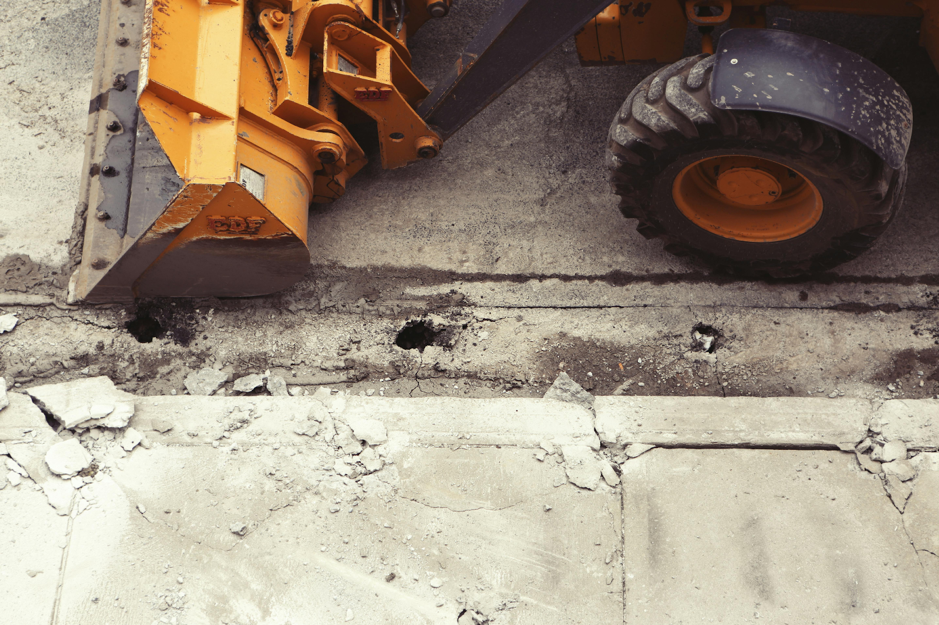
We all know that most savings happen on the drawing board, not the construction site. In India, a misaligned drainage plan can add months to a project.
In the West, where the costs of urban planning and new construction are prohibitive, one overlooked utility line can cost millions, so getting it right the first time is critical.
To solve all of these, it’s a good idea to bring surveyors, drainage engineers, and structural designers into one integrated team to avoid silos and the rework that follows.
Lifecycle costing, though often ignored in India, is second nature in US highway projects, as every dollar spent is justified against decades of O&M.
And sometimes, restraint is the smartest option. Rural roads in India don’t always need to be four-laned from day one. Staged development, like building what’s needed now, upgrading later, helps in avoiding expensive over-engineering.
Technologies That Support Low Cost Highway Construction
Technology is often sold as futuristic, but it plays the biggest role in low cost highway construction. Here are some ways in which the technology is making an impact:
Drones and GIS: In India, drones now survey PMGSY routes in days instead of weeks. In Texas, DOT uses them for bridge inspections, cutting downtime.
BIM and digital twins: US interchanges are already designed in BIM to flag clashes before construction. India too is catching up; here at MMCPL, we make good use of digital modelling to simulate drainage and load performance before breaking ground.
Mobile batching plants: In remote Indian projects, transporting concrete is half the cost. On-site batching saves millions.
Smart traffic flow planning: US interstate projects now use AI-driven rerouting to keep congestion (and public anger) in check during construction.
At MMCPL, we’ve embedded these tools into our workflow, not as add-ons but as cost-control levers. That’s how we align low cost road construction with enduring sustainability and long-term resilience.
Highway to the Future
What’s the biggest misconception people have today about cost-effective road and highway construction techniques?
That cost-effective equals cheap. But the reality is that a road or bridge that cuts corners upfront is always the most expensive in the end.
True low cost road construction is about better choices. Better alignments, smarter materials, and digital tools that prevent rework. That’s what keeps costs down while keeping safety and longevity up.
At MMCPL, we draw on lessons from around the world — whether it’s modular precast systems, drone-led surveys, or recycled material — we’re obsessed with how to use technological innovation to build smarter, faster and stronger.
Explore some of our projects to see the kind of work we do, in India and elsewhere.
If you’re a contractor, a civic agency, or a forward-looking government, let’s build roads and highways that are cost-efficient (without cutting corners) and ready to serve for decades. Contact us today!
