
Across the globe, once charming cities are falling apart at the seams.
You feel it every time you sit in traffic longer than you should. Or when a sudden rainstorm turns a city into a puddle-riddled maze.
The truth is, our cities are playing catch-up. They weren’t designed for this kind of growth, this pace of change. And to be fair, no one could’ve predicted it just a couple of decades ago.
But here we are—dealing with overcrowded metros, crumbling flyovers, gaps in housing, and systems that are cracking under pressure.
And whatever patching and fixing we’ve tried that worked before—such as zoning that splits cities into chunks, not-so-practical master plans, and rigid policies designed in isolation—doesn’t work anymore.
Cities now need to breathe, respond, and evolve quickly!
The good news is, we still have a chance to prevent and fix infrastructure issues with innovative strategies in urban planning.
In this guide, I’ll cover some of the most important topics related to urban planning innovation—including why it is important, five key drivers, the latest technologies that are influencing the way we do city planning today, and MMCPL’s unique approach to urban, rural & industrial planning.
Let’s begin by understanding why innovation is a critical part of modern city development…
Innovation in Urban Planning Is Critical for Modern Cities
You can’t build tomorrow’s city on yesterday’s blueprint. The kind of urbanisation we’re having right now is unforeseen and uncontrolled. India alone adds millions to its urban population every year. That’s not a statistic, that’s a literal pressure point.
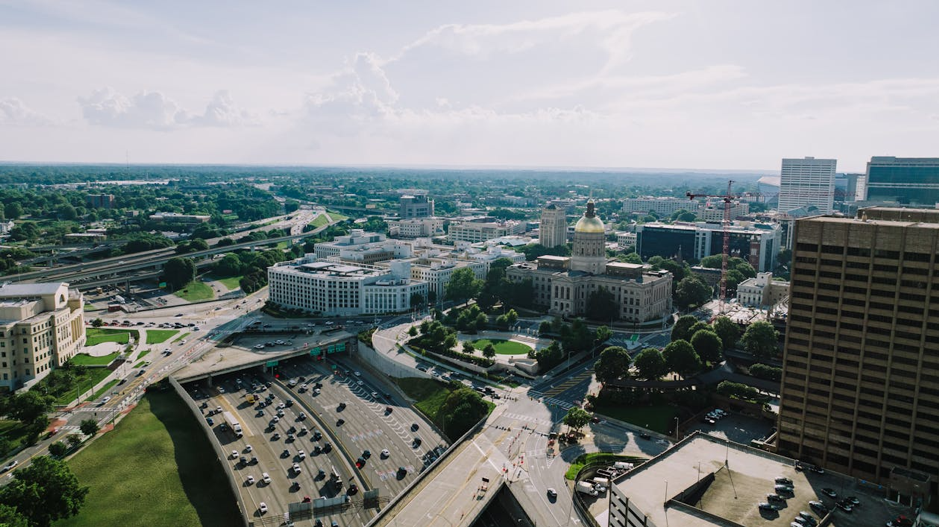
Moreover, add climate volatility, flooding, and water scarcity to all of that! Then toss in transportation issues, economic inequality, and the digital divide. You get a clear idea of why business-as-usual planning models are no longer an option.
In short, when innovation or clarity of planning is missing, cities start to feel stagnant, resources get misallocated, infrastructure turns brittle, and the whole community suffers in silence.
5 Key Drivers of Urban Planning Innovation
When we talk about urban planning innovations, it’s not just one thing. It’s five or six different aspects that work together to make it possible!
The first and rather quite important aspect is access to real-time data, allowing data-driven decision making. Whether it’s energy we use in a housing block or how long buses linger at a traffic signal, this information is helping planners move beyond assumptions.
In cities like Pune, Surat, and Bangalore, dashboards visualize this city data live, allowing tweaks to systems before problems become bigger.
Then there are community-centric designs, which honestly should’ve happened sooner. Participatory planning isn’t some foreign idea anymore. Tools like online feedback platforms, neighbourhood audits, or even SMS polls are giving residents a voice in how their surroundings evolve.
Climate resilience? That’s now a core design pillar. Think of “sponge cities” in China or flood-adaptive zoning in the Netherlands. You’ll find green corridors in between concrete, rooftops doubling up as water catchments, and materials selected for climate resistance, not just cost.
https://www.youtube.com/watch?v=rMymtjDw-Gw&t=5s
Then there is mixed-use development, which has reshaped our sense of urban convenience. Why should someone commute two hours just to work when they could live in a neighbourhood with homes, offices, and leisure spaces all bundled into one?
Finally, mobility innovations are picking up speed. We’re done with car-first planning. Cities are finally rediscovering the value of walking paths, cycling tracks, and robust public transport to make cities inclusive in a real manner.
Latest Technologies That Influence Smart City Planning
Now, all of the above-discussed innovations have been made possible because of some really cool technologies that shape how we plan smart cities.
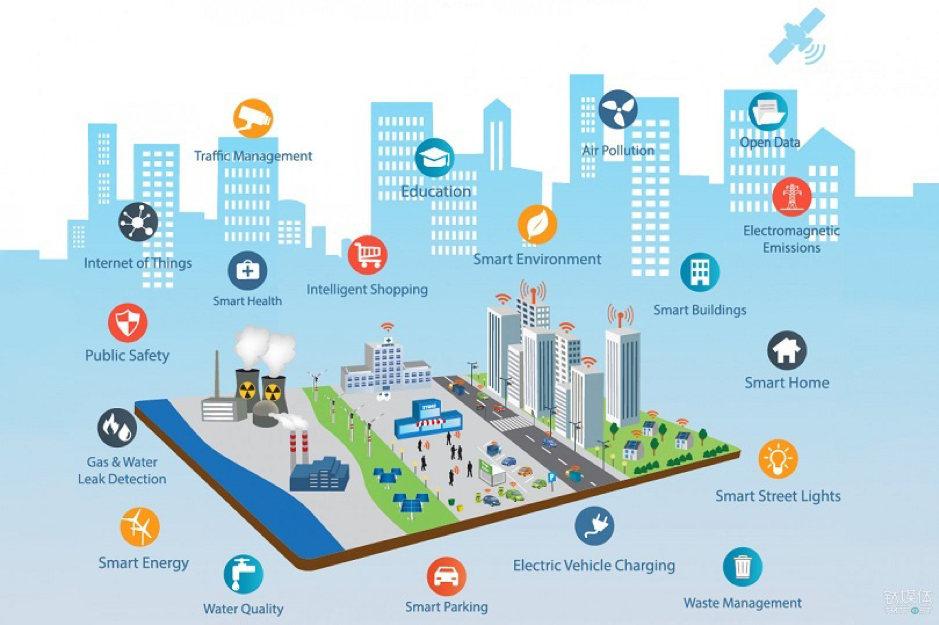
Image source: https://nclurbandesign.org/using-technology-to-create-more-sustainable-cities/
Let’s have a look at some of them:
GIS and Geospatial Analysis
What used to take weeks of fieldwork can now be visualized in minutes. Want to know where open spaces intersect with flood zones and transit lines? A planner can run that simulation instantly. We did something similar in a recent MMCPL project, layering drainage data over land-use maps to fix a recurring waterlogging issue in a low-lying urban pocket.
Internet of Things
IoT is the new normal now. In Bhopal, sensors track garbage levels in bins to optimize waste collection. In Barcelona, traffic lights adjust in real time based on congestion. It’s city management with intelligence built in.
Digital Twins
Singapore’s 3D virtual cityscape allows authorities to test how new developments affect wind flow, shade patterns, or traffic density before a single brick is laid. We’re working toward similar models for coastal smart zones here in India.
Artificial Intelligence
It’s already powering energy grids, traffic flow systems, and water distribution in cities like Tokyo and Helsinki.
Smart Lighting and Sensor Networks
Smart and sensor-driven lighting systems adjust brightness based on pedestrian density, making public spaces safer and more energy-efficient without any wastage or guesswork.
How Urban Planning Innovation Transforms City Life
Urban planning isn’t just a theory—it’s a fundamental tenet of infrastructure development that impacts our reality on a daily basis! Smart mobility planning cuts down daily commute times, which means more time for family, rest, or just peace of mind.
Climate-conscious layouts protect vulnerable communities from heat waves or floods. Well-zoned areas reduce friction between commercial and residential life.
And when we have cities that listen to their citizens, we build a stronger social fabric. There is a definite dignity to living in a place that has high-end functions. The real power of thoughtful city planning is obvious when a young woman doesn’t think twice before walking home late because of well-lit streets, or a child’s asthma isn’t worsened by traffic-clogged roads.
MMCPL’s Approach to Urban Planning Innovation
We don’t claim to have all the answers, but we’ve been asking the right questions for a while now.
At MMCPL, our work spans zoning frameworks, integrated industrial township layouts, transport-oriented development, long-term urban water sustenance, and climate-conscious planning.
One of our recent assignments involved reimagining a municipal ward layout in a flood-prone region. Rather than wait for another monsoon disaster, we worked with the local body to simulate risk zones using GIS, redesigned the drainage grid, and even suggested new policies for rooftop water storage incentives.
In another case, we combined smart mobility modelling with on-ground pedestrian surveys to redesign a public square, balancing vendor needs, pedestrian comfort, and vehicle flow.
The Path Forward for Smart Cities and Innovative Urban Planning
If there’s one thing we’ve learned in all these years, it’s this: urban planning is all about solving real-world problems with new tools and better thinking.
Innovation and evaluation are both here to stay when it comes to urban planning. In fact, we’re just getting started. Whether it’s AI in policy testing, bio-reactive building materials, or dynamic zoning codes that evolve based on population patterns, the planning profession is evolving faster than ever.
And the cities that lead in this space? They’re not just better designed. They’re more liveable, more inclusive, and more prepared for the future.
Whether you’re a government agency, a private developer, or an NGO working on urban transformation—across India and the USA—you can collaborate with us to blend technical expertise with boots-on-the-ground insights and create spaces that are practical, resilient, and built for the future.
