
Picture this: You step out of your apartment, and within a 15-minute walk, you have everything—your office, a supermarket, a park, a hospital, and even your favorite café. No more spending hours in traffic or worrying about pollution. Sounds ideal, right?
Bridges have come a long way from just being concrete slabs suspended over rivers or highways.
These days, they’re designed to be remembered. Whether it’s a bold suspension span slicing through city fog or a quiet footbridge in a rural stretch, modern bridge engineering is about more than just holding weight; it’s about progress, balance, and identity.
Here I want to talk about how bridge engineering today blends form and function, and how we at MMCPL approach this fusion with the seriousness and creativity it deserves.
So let’s first begin with why aesthetics matter when it comes to bridge engineering.
Why Aesthetic Design Matters in Bridge Engineering
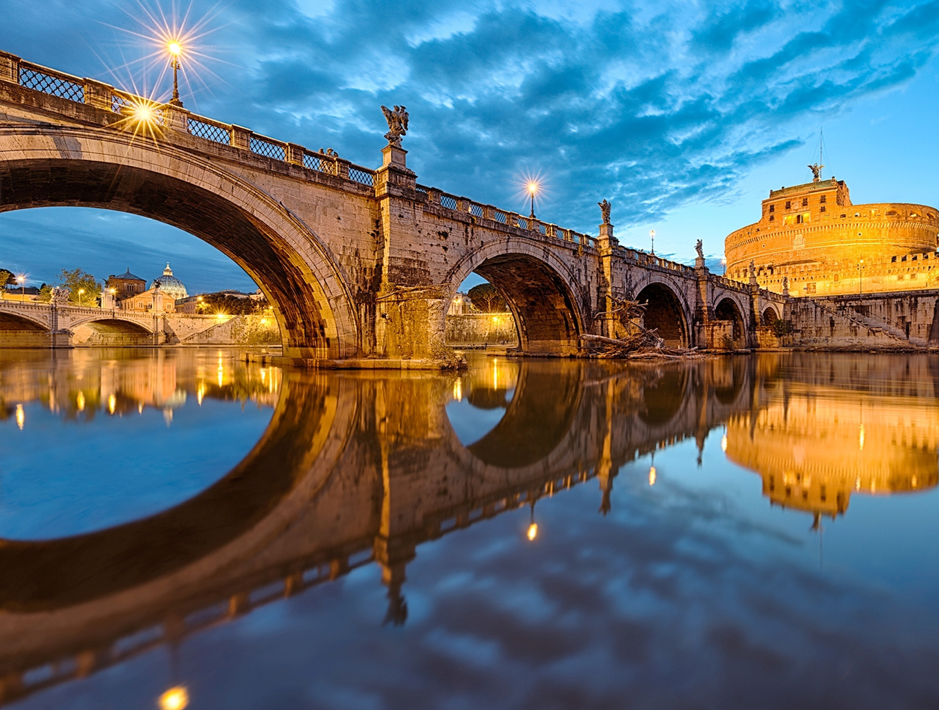
For years, bridges were judged by just one measure: how well they held up.
Strength equaled greatness.
But now? Now, people notice more. They want bridges that add value, not just in utility, but in visual character too.
A well-designed, majestic bridge can elevate an entire area. Think of the bridges you’ve stopped to photograph—chances are, they aren’t just structurally sound, but also designed with intention.
In urban zones, an architecturally bold flyover can redefine the skyline. In heritage locations, a tastefully minimal bridge or an unobtrusive railway bridge can preserve the region’s visual harmony.
Bridge engineering today acknowledges that public infrastructure shapes perception. A beautiful bridge over a city’s primary river becomes a landmark for the ages. And in a fast-paced urban environment, it’s an asset for tourism, civic pride, and even investor interest.
The Fundamentals of Structural Integrity in Bridge Engineering
Though aesthetics matter too, let’s not forget what bridges are for. The best design means nothing if it can’t bear a load, resist vibration, or stand up to decades of weather.
Bridge engineering must address every structural nuance—from how a deck distributes pressure to how a pier handles wind shear during monsoon storms.
Every element matters: material strength, fatigue life, corrosion resistance, and expansion under heat. Whether you’re choosing steel cables, prestressed concrete beams, or composite girders, these choices decide the bridge’s performance curve.
Especially with long-span designs, you’re working against multiple forces at once: gravity, wind, traffic, and even soil shifts below.
And unlike buildings, bridges don’t get to sit still. They flex, expand, and sway. Modern bridge engineering models all of this through simulation, wind tunnel testing, and predictive maintenance planning.
How Modern Bridge Engineering Merges Form and Function
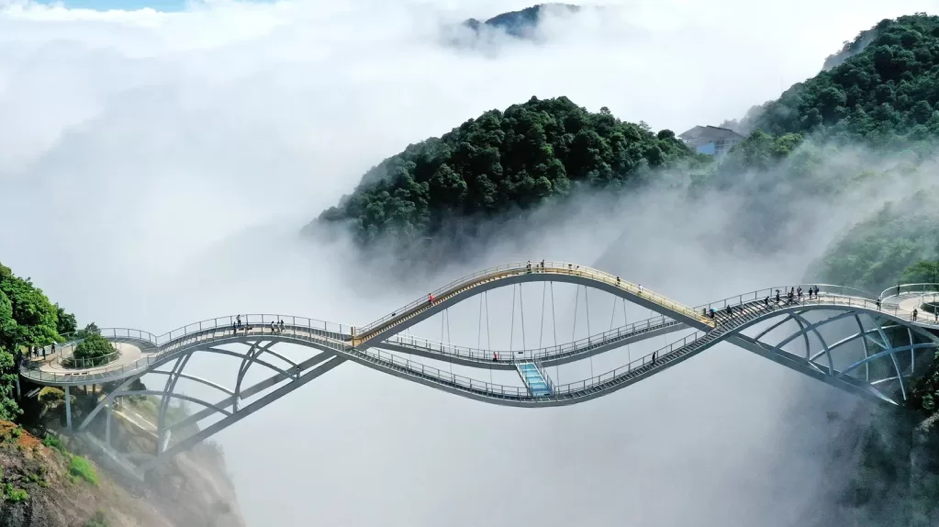
With the evolution of urban and rural planning, there has been a beautiful shift in construction practices—engineers and architects don’t wait for one another anymore. They design together, right from the start. This isn’t about compromise; it’s about co-creation.
Thanks to tools like parametric modelling, design software, and virtual walkthroughs, teams can now assess beauty and performance in the same breath. Curves aren’t decorative; they’re part of load distribution. Lighting isn’t just ambiance; it helps with visibility and energy efficiency. Every line, every slope, every texture plays dual roles.
This is how we approach bridge construction at MMCPL, aiming to execute projects in the most efficient and innovative manner.
7 Innovations Shaping the Future of Bridge Engineering
These are the latest innovations that are shaping the future of how we perceive bridge engineering today!
- Ultra-High-Performance Concrete (UHPC)
We’re no longer stuck with bulky slabs. UHPC allows us to build bridges that are slim, elegant, and built to last. Its durability in aggressive environments—be it coastal, high-load or seismic—makes it a game-changer for minimalist designs.
- Self-Sensing Materials
Using self-sensing materials is like giving your bridge a nervous system. These materials include embedded sensors that constantly measure strain, cracking, or moisture penetration. Maintenance teams get early warnings—before issues escalate.
- Kinetic Energy Recovery Systems
While still in early adoption, some pedestrian bridges now convert footsteps into electricity. It’s not just cool tech, but it’s more about sustainable bridge engineering, where the structure contributes to its own operation.
- Smart Lighting and Adaptive Shading
Imagine having lights that adjust with traffic or weather. Or shading that reduces thermal stress on the bridge surface. These aren’t add-ons, they’re embedded into how we design now, especially in high-exposure zones.
- 3D-Printed Components
From complex connectors to decorative elements, 3D printing allows precise, cost-effective production of bridge parts. This expands creative possibilities while controlling waste and labor costs.
- Wind and Vibration Control Systems
Here, we’re not just talking about stiff materials; we’re also talking about tuned mass dampers, aerodynamic shaping, and vibration-absorbing joints. These systems help long-span bridges stay quiet and comfortable under moving loads.
- Augmented Reality for Planning and Simulation
AR and VR are not limited to the IT and tech world; they’re also entering into how we approach construction today. With AR, clients don’t have to guess. They can see the finished bridge, at scale, in location, before the first footing is laid. For public sector projects, this greatly improves transparency and speeds up approvals.
MMCPL’s Approach to Bridge Engineering Projects
At MMCPL, we’ve learned that a great bridge begins long before construction. Our project management process integrates structural modelling, design sensitivity, and stakeholder alignment from day one.
Our portfolio of bridges spans urban flyovers, pedestrian bridges, rural river crossings, and even rail corridors. In every case, we ask: how do we make this bridge both enduring and expressive?
We use BIM, FEA, and AR tools as standard practice. And we don’t work in silos. We regularly collaborate with civic authorities, landscape architects, and transport planners to ensure every bridge fits its surroundings as well as it fits its purpose.
However, every bridge engineering project, especially when trying to blend aesthetics into it, comes with its own set of challenges, as explored in the following section.
Challenges in Balancing Aesthetics and Engineering
Here are some of the most common issues architects and engineers may face when executing bridge engineering that aligns with great aesthetics:
Budget Constraints vs Design Goals: Not every client is ready to invest in architectural enhancements, especially when the ROI isn’t immediate. This is where the accuracy of detailed designs matters.
Site Limitations: You can’t always build the bridge you dream of when the terrain is tough or the soil is unpredictable.
Stakeholder Expectations: Communities want iconic structures, but those don’t always align with technical or budget realities.
Material and Labour Access: Fancy materials and cutting-edge tech aren’t available everywhere, and even when they are, skilled labor might not be.
Regulatory Challenges: Codes often lag behind innovation. Some of the best design ideas get shelved because they don’t fit existing norms.
Tight Deadlines: Design excellence takes time. But many projects are on compressed schedules that push teams toward “safe” templates.
Long-Term Durability of Visual Elements: Paint fades. Textures wear out. Those decorative finishes? They still need to last through rain, UV, and years of wear.
At MMCPL, we handle these by running early feasibility checks and creating realistic design options with built-in resilience. No compromise, just clarity.
Beautiful & Strong: The Future of Bridge Engineering
Get this: a bridge that only holds weight won’t be admired. A bridge that only looks good won’t be trusted. Good bridge engineering needs to do both.
We’re not building monuments or machines. We’re building connectors between places, people, and futures. And when done right, a bridge becomes more than steel and concrete.
It becomes a legacy.
We believe in building bridges that last—visually, structurally, and socially. If your next project needs strength with style, we’d love to talk!
