
Most people don’t think about marine infrastructure until they’re driving over a bridge or watching waves crash against a jetty.
But if you’ve ever worked behind the scenes on one of these projects, you know just how complex tech in ports and marine infrastructure is. Building anything near or in the water comes with layers of unpredictability, and the rules are nothing like land-based construction.
And that’s why marine infrastructure technology is not just about speeding things up or ticking the innovation box. It’s about responding to real challenges like tides, changing coastlines, safety risks, and the constant need to do more with less.
At MMCPL, we’re not just watching this shift, but we’re also helping lead it. We’ve seen firsthand how smart use of smart technology can reshape how we plan, build, and maintain vital ports and other marine assets.
In this guide, we have covered everything around tech in marine infrastructure, from emerging innovations and their benefits, to some of the most common barriers in marine projects and how to overcome them.
What Does Marine Infrastructure Need Technological Intervention?
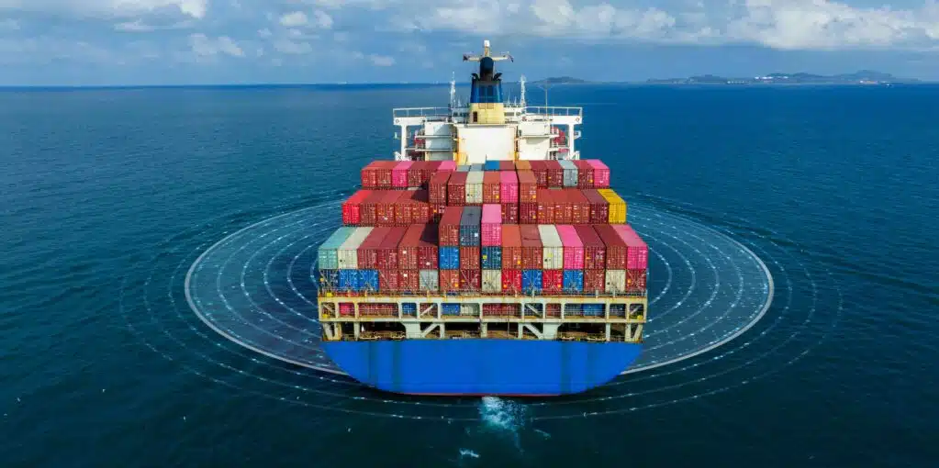
Image source: https://sinay.ai/en/what-are-the-main-technological-innovation-in-the-maritime-industry-for-2023/
Anyone who’s been on a marine site knows it’s a different world out there. Conditions change quickly. One day the tide’s working in your favour, the next it’s slowing you down.
On land, if something goes wrong, you can usually pause, adjust, and try again. In the water? That kind of luxury doesn’t exist.
The stakes are higher. Errors are expensive. And safety is always on the line. Traditional techniques like manual surveys, heavy labour, and reactive planning have all carried us this far.
But today, the scale of projects and pressure on delivery timelines demand more. And that’s not even counting what climate change is throwing our way. Sea levels are rising. Coastal behaviour is evolving. We need infrastructure that can adapt.
That’s where technology comes in, not just as a helper, but as a necessity.
Innovations in Marine Infrastructure That’s Happening As We Speak!
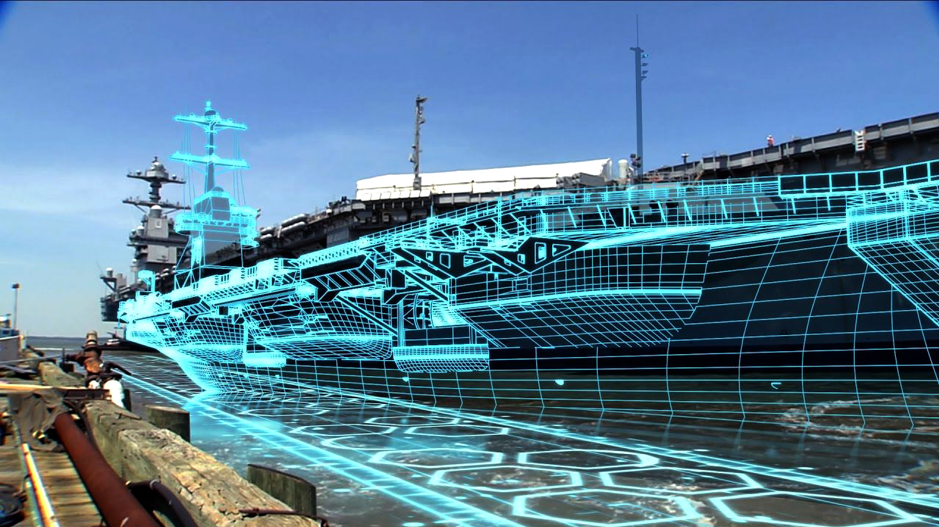
Image source: https://marine-digital.com/article_technologies_in_shipbuilding
Here are the tools and technologies that are actually making a difference in different areas of modern maritime infrastructure projects at the moment…
Surveying & Planning
- LiDAR and sonar-based hydrographic surveys give us detailed views of underwater terrain in seas and oceans.
- AI-powered simulations help in predicting sediment flow, erosion risks, and wave impact patterns.
Construction
- Drones help in keeping an eye on (and recording) progress from above without putting people in risky spots.
- Prefabrication and modular construction aid in cutting down time and improving quality control.
Materials
- Corrosion-resistant composites make it possible to hold up longer in salty, humid conditions.
- Self-healing concrete is a wonder in itself as it fixes micro-cracks on its own, even underwater.
Monitoring & Maintenance
- IoT sensors can be embedded into structures to monitor stress and environmental exposure.
- Digital twins are used as virtual models to test changes or predict failures.
Underwater robots are already replacing divers for inspection jobs that are tough or dangerous.
MMCPL’s Technology-First Approach to Marine Projects
When it comes to marine infrastructure projects, we don’t just bolt on technology at MMCPL. It’s woven into the way we plan, and the way we think. Long before construction begins, our teams are already working with modelling tools to simulate coastal conditions, test structural designs, and align timelines.
Moreover, we’ve partnered with marine tech vendors to bring in specialised equipment and platforms. From real-time dashboards to underwater drones, we’ve tried, tested, and implemented what actually works.
On one recent job of a coastal protection project, we used smart materials that could withstand the harsh monsoon impact year after year. On another, our planning team used simulations to sequence marine piling in such a way that we avoided weeks of potential rework.
In another instance, we used cutting edge soil investigation methods to facilitate heavy duty equipment by RoRo jetty service across the Tapi river.
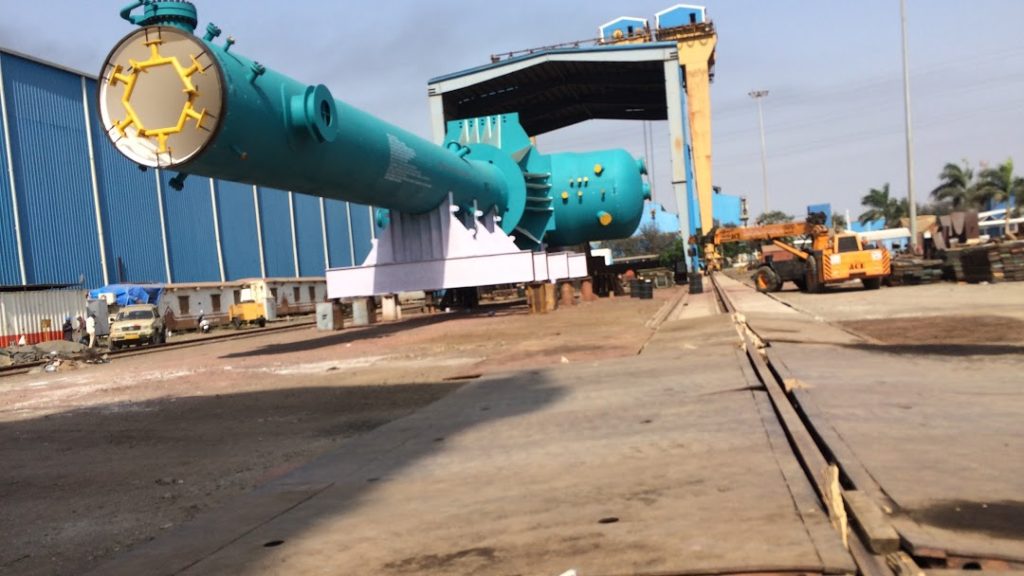
Every tool we use is chosen for a reason: to save time, improve safety, or increase lifespan. Preferably all three.
Benefits of Technology Adoption in Port and Maritime Infrastructure
Well, there are many advantages of using technology in marine infrastructure, and here we have listed the top three of them for your reference –
Efficiency Gains:
When you use tech in marine infrastructure, planning becomes more precise. There will be fewer surprises and fewer setbacks, resulting in faster project timelines.
We’ve seen projects stay on track just because the early simulations helped us avoid known risks.
Safety Enhancements:
We all know that marine environments aren’t always kind. If a sensor or a drone can take on a risky task, why send a person? It’s a win, every time.
With the latest technology, you can enable remote monitoring in hazardous zones while enabling real-time alerts from IoT devices.
Sustainability Benefits:
Last but not least, tech in marine infrastructure also helps in reducing material waste with predictive maintenance and adaptive designs to make sure structures last longer. That’s not just good engineering, it’s good for economics, too.
And when there’s less waste and less rework, you can have a smarter use of resources.
Common Barriers to Tech Adoption in Marine Projects
Of course, not everything is plug-and-play when it comes to tech in marine infrastructure. If you ask me, the top three hurdles people and industries face when it comes to marine projects are:
1. Upfront cost:
-
- Some tech solutions aren’t cheap, especially in the early phases.
2. Skills gap: Not every team is ready to operate a sonar rig or interpret digital twin data.
3. Vendor ecosystem: In most countries including India, the processes, regulations and supply chain for marine-specific solutions have much to improve.
So, what do we do at MMCPL?
We break it down. We start with a pilot implementation and roll out the project in phases.
We also train teams internally by mixing our experienced construction heads with younger tech-savvy engineers to create a culture that learns both ways.
And maybe most importantly, we stay data-first. We don’t chase the fanciest tools just for the sake of technology–instead, we take a close look at what works, what’s proven, and then build on that.
Partner With MMCPL for Your Next Marine Infrastructure Project!
Here’s the reality: tech in marine infrastructure isn’t something for the future. It’s already here. And the longer you wait to embrace it, the more you risk falling behind.
At MMCPL, we don’t see technology as a threat to traditional engineering. We see it as an extension and an evolution. A smarter, sharper way to do what we’ve always done: build better, safer, and for the long term.
If you’re working on something by the water, talk to us. We’d love to bring our tools, our insights, and our people to the table to help build infrastructure that works–and lasts!
